
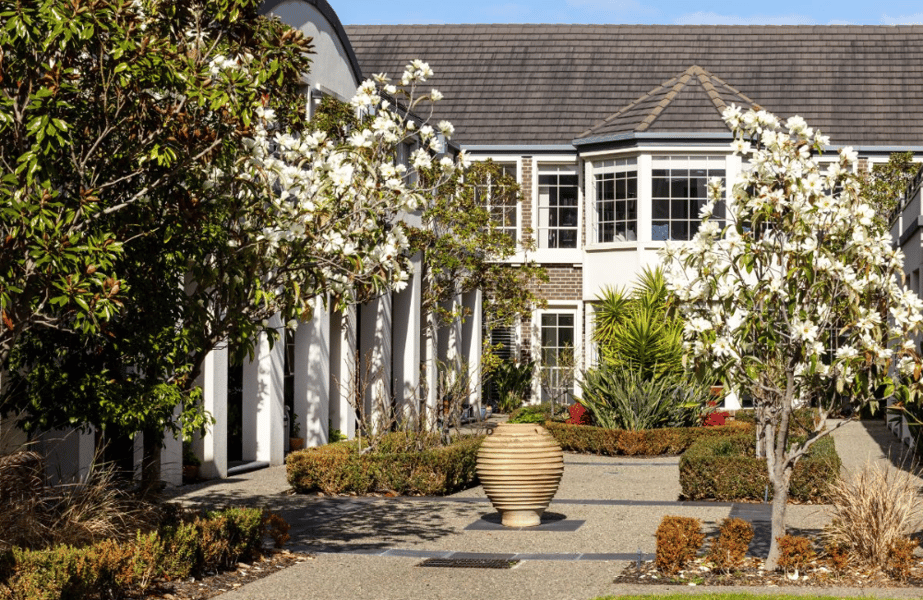


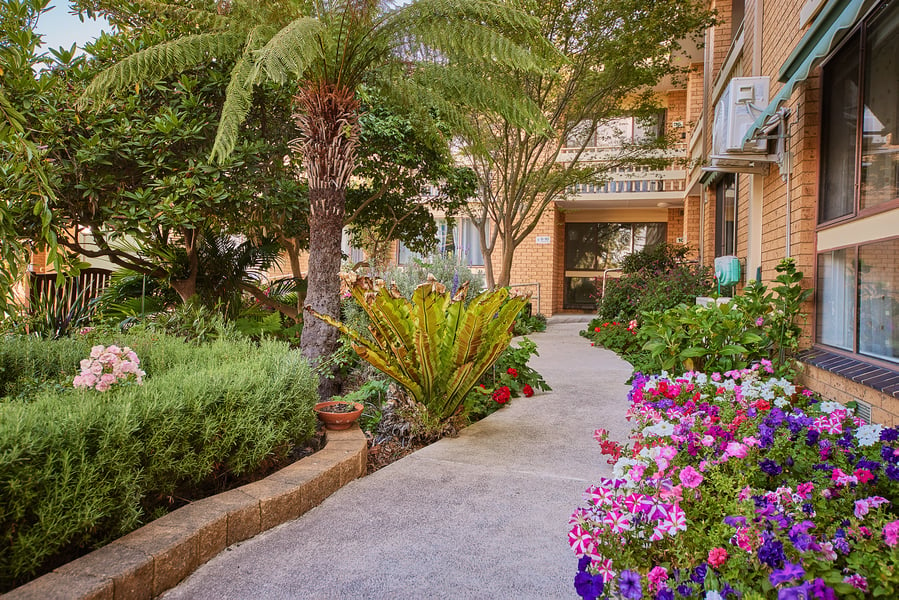

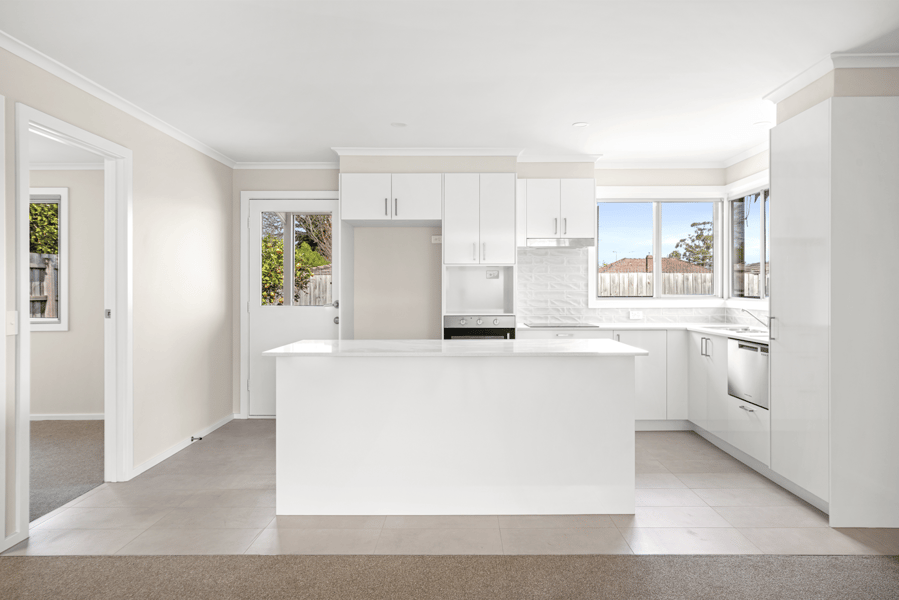

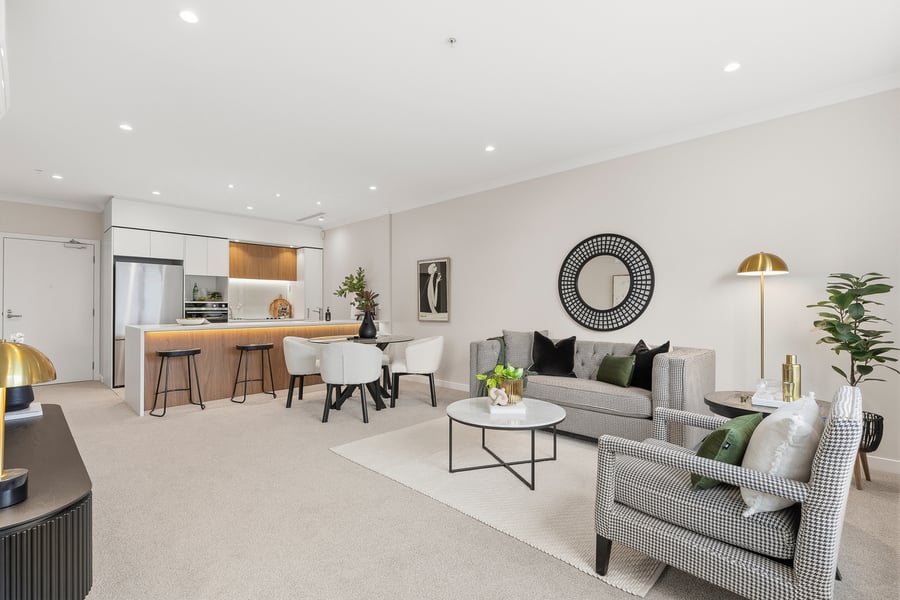



































112 Retirement Living and Retirement Villages in South East Melbourne, VIC
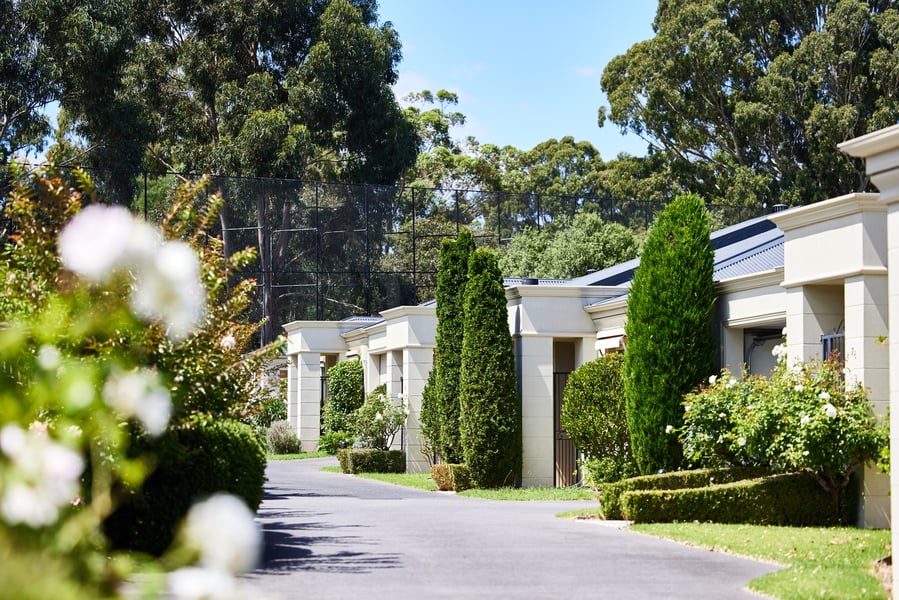
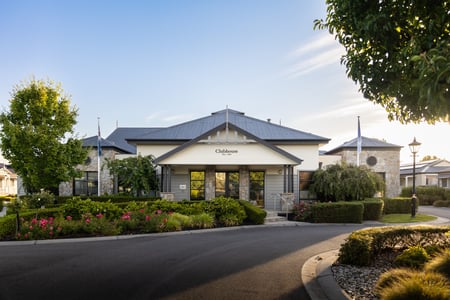
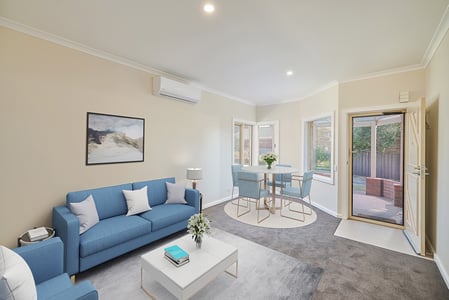
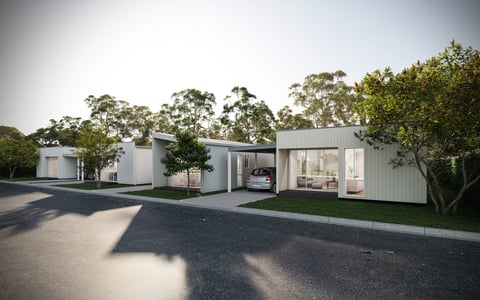
South East Melbourne offers access to 112 retirement villages and over-55 living options, making it one of Victoria’s largest and most varied retirement markets. For retirees comparing retirement living in Melbourne, the region stands out for its mix of leafy suburbs, bayside communities, established healthcare precincts and growing lifestyle hubs.
From Glen Waverley and Mount Waverley to Berwick, Cranbourne, Frankston and Pakenham, South East Melbourne gives retirees a broad choice between established suburban convenience and a quieter lifestyle closer to the coast. Villages.com.au helps you compare local communities, village types and lifestyle features in one place so you can research with more confidence.
Living in South East Melbourne - A Retiree’s Guide
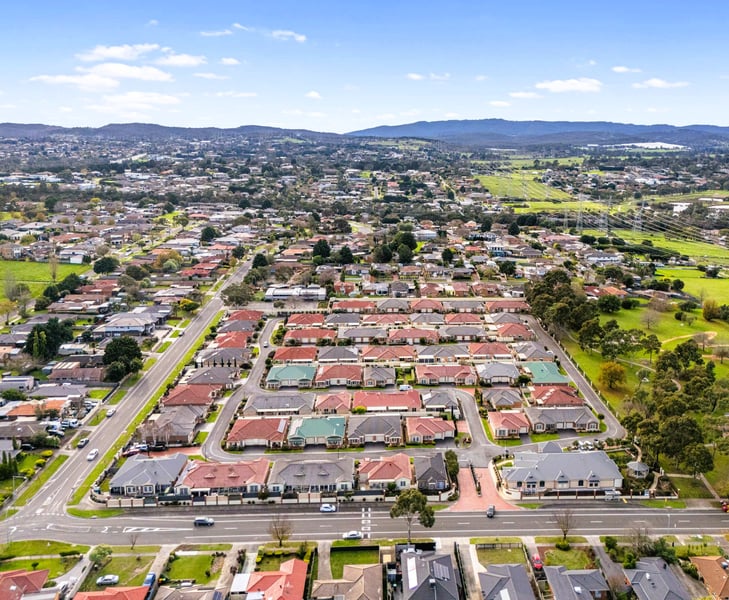
South East Melbourne stretches from established suburbs such as Glen Waverley, Mount Waverley and Wheelers Hill through to Berwick, Cranbourne, Pakenham and the Mornington Peninsula gateway.
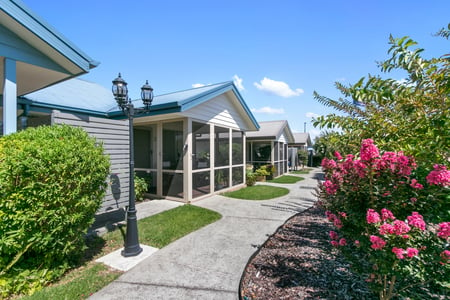
Some retirees prefer established suburbs close to hospitals, shopping centres and public transport, while others are drawn to quieter communities with larger parks, golf courses and access to the coast. One of the region’s greatest advantages is the ability to choose between lifestyle and location without moving too far from Melbourne.
Key Areas
South East Melbourne includes several distinct local hubs, each with a slightly different retirement appeal:
Glen Waverley, Mount Waverley and Wheelers Hill: established residential suburbs with shopping, healthcare, parks and strong transport access
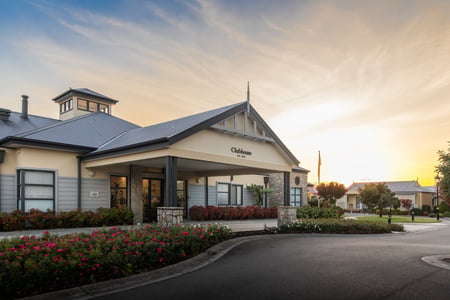
Berwick and Narre Warren: major south-eastern service centres with hospitals, shopping precincts and established retirement communities
Cranbourne and Pakenham: growing suburban centres with newer housing, expanding services and a broad range of retirement options
Dandenong: major transport, healthcare and commercial centre with strong connections across Melbourne’s south-east
Frankston: established bayside service hub with beaches, major healthcare and access to the Mornington Peninsula
Chelsea and Carrum Downs: coastal and suburban communities with local shopping, recreation and practical everyday services
Mornington Peninsula gateway communities: convenient access to bayside recreation, coastal towns and a more relaxed retirement lifestyle
Compared with North East Melbourne, South East Melbourne offers stronger access to bayside communities, the Mornington Peninsula and major growth corridors. North East Melbourne generally feels greener and more closely connected to the Yarra and Plenty river corridors.
Climate & Lifestyle
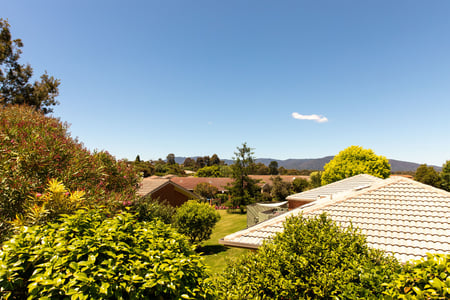
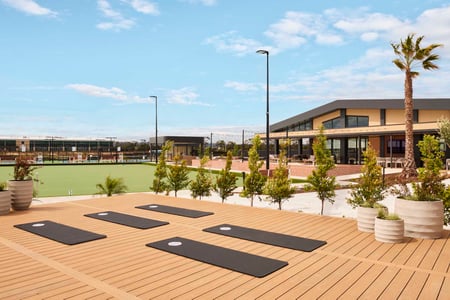
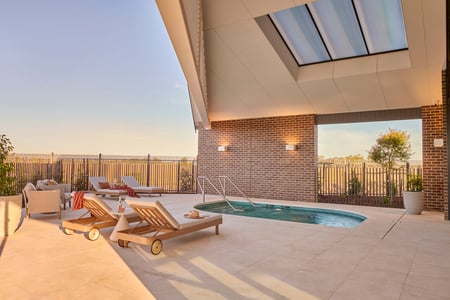
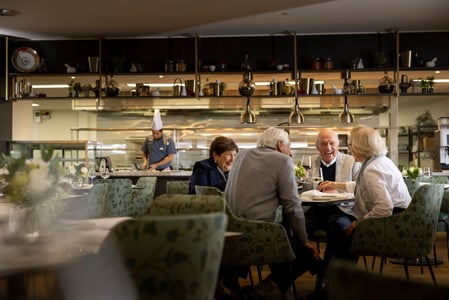
For many retirees, the South East Melbourne lifestyle is the major drawcard. The region combines Melbourne’s temperate climate with leafy neighbourhoods, bayside areas, parks, golf courses and established community facilities.
Lifestyle highlights include:
Walking and cycling paths
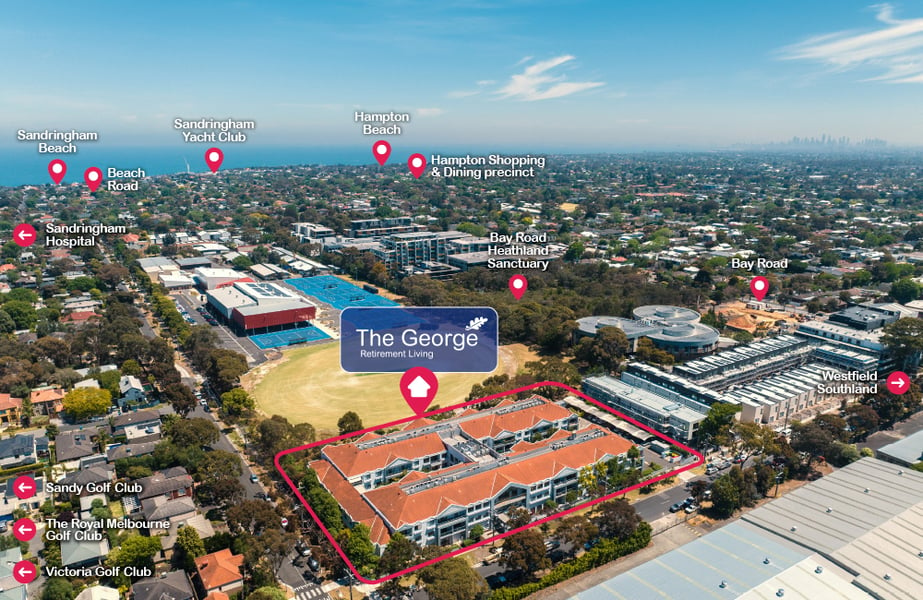
Beaches and bayside reserves
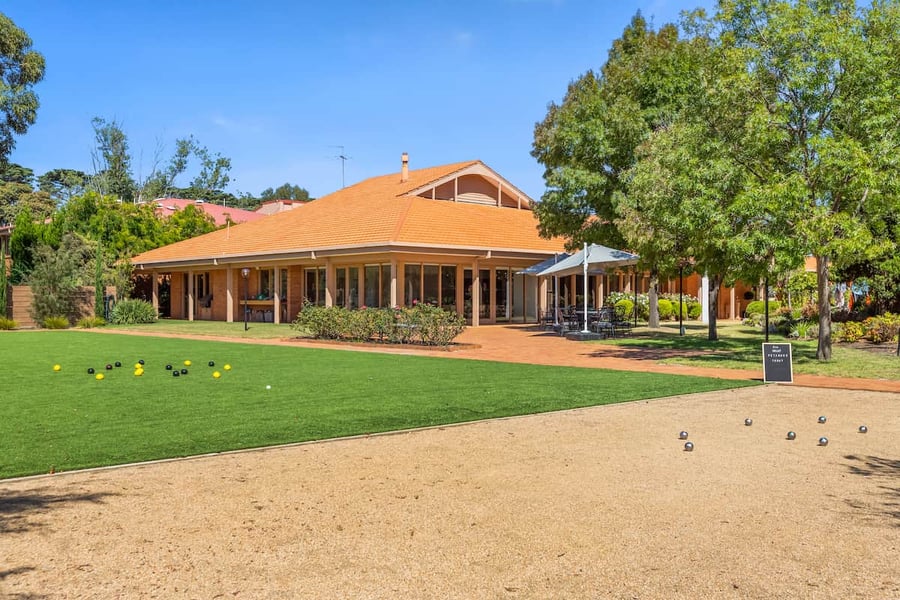
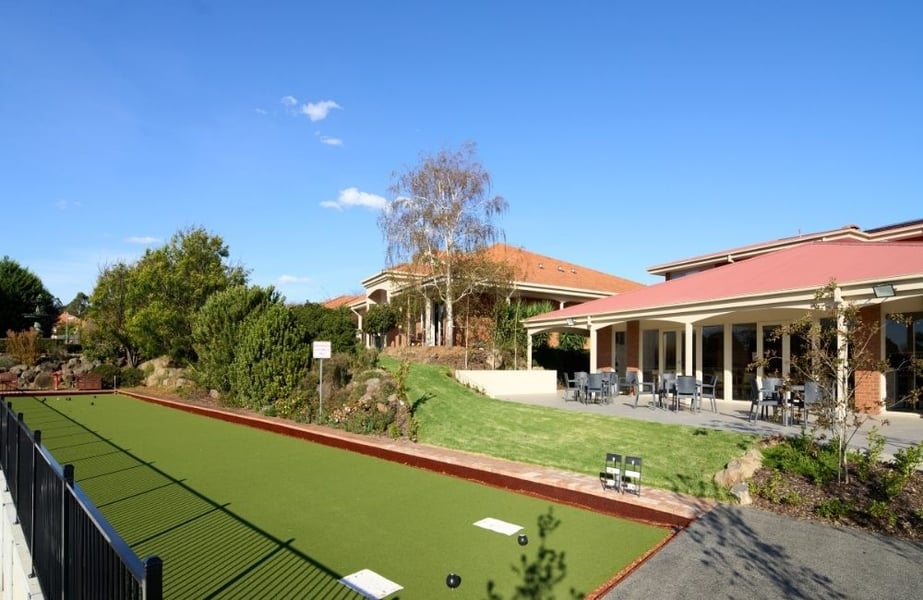
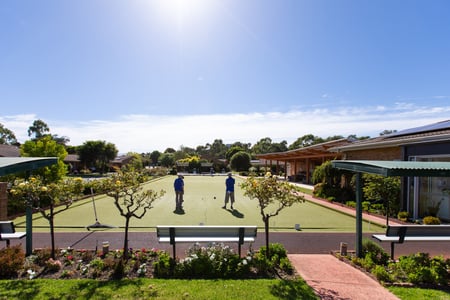
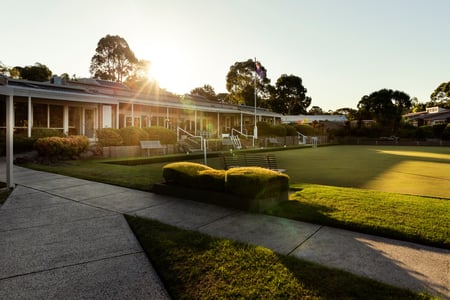
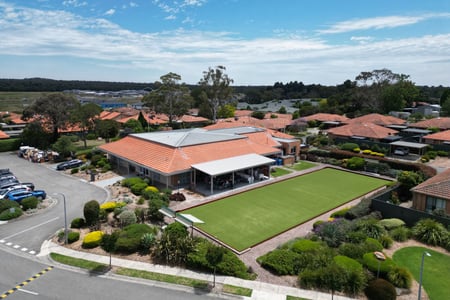
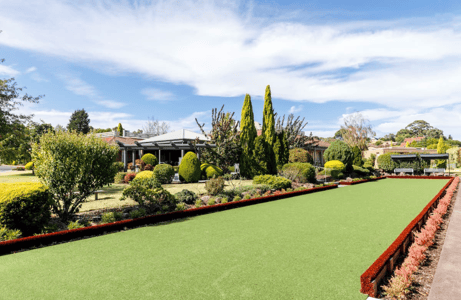
Golf courses and bowls clubs
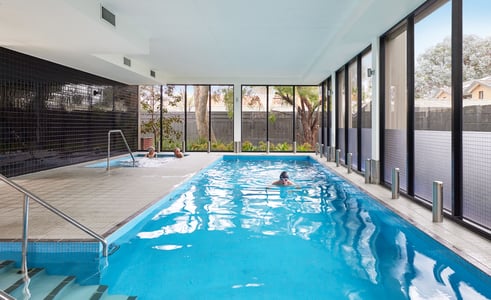
Community gardens and recreation centres
Arts, cultural and entertainment venues
Libraries, seniors’ groups and fitness programs
Cafés, restaurants and major shopping precincts
The lifestyle varies depending on where you choose to live. Inland suburbs offer established streets, community centres and practical shopping, while areas closer to Frankston and Chelsea provide beaches, coastal paths and relaxed waterfront amenity.
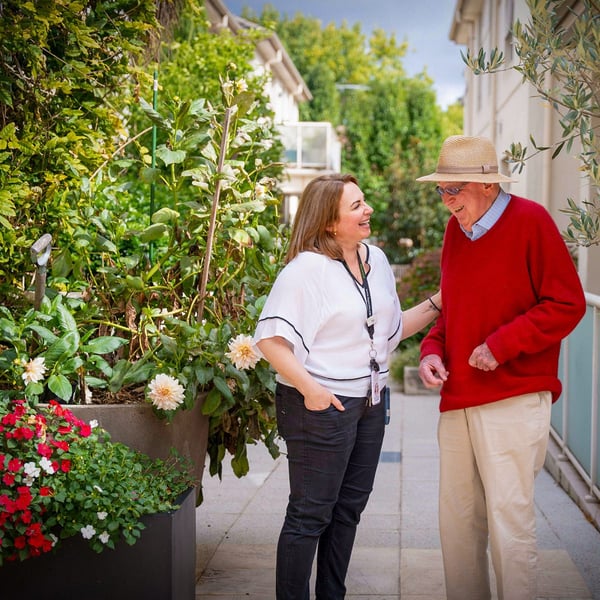
This mix supports active, social retirement living without giving up access to metropolitan services.
Getting Around
Transport and access matter in retirement, and South East Melbourne performs strongly across its established and growing suburbs.
Metropolitan rail services connect Glen Waverley, Dandenong, Berwick, Pakenham, Chelsea and Frankston with central Melbourne
Bus services provide local connections between residential areas, hospitals, shopping centres and railway stations
The Monash Freeway and EastLink support travel across Melbourne and into surrounding regions
Major roads connect Cranbourne with Frankston, Berwick and nearby growth areas
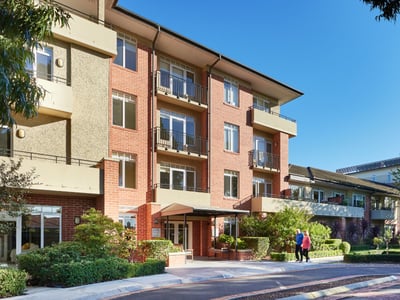
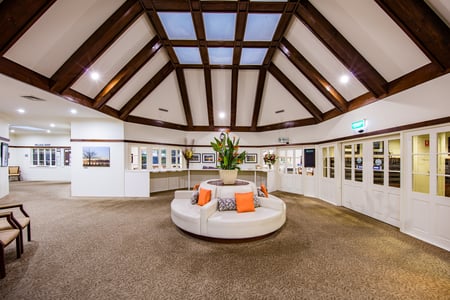
Many retirement communities are close to shopping, healthcare and public transport
Eligible Victorian seniors can access public transport concessions and additional free-travel benefits at certain times
Transport coverage differs between established suburbs and newer outer communities. Retirees who plan to drive less should compare the distance from each village to railway stations, bus stops, medical services and shopping centres.
Healthcare Access
Healthcare access is one of South East Melbourne’s strongest practical advantages. Residents benefit from major public and private hospitals supported by GP clinics, pharmacies, specialists, rehabilitation services and allied health providers.
Key advantages include:
Monash Medical Centre as a major tertiary, teaching and specialist-care anchor
Casey Hospital supporting Berwick and surrounding growth communities
Dandenong Hospital providing major healthcare services for Dandenong and the wider south-east
Frankston Hospital supporting Frankston, bayside suburbs and the Mornington Peninsula gateway
Waverley Private Hospital providing private and specialist services near Glen Waverley and Mount Waverley
Local medical centres and allied health providers across established and growing suburbs
That combination can make South East Melbourne retirement living feel both secure and highly practical over the long term, especially for retirees who want metropolitan healthcare within easy reach.
Understanding Retirement Living in Victoria
If you are comparing retirement living in South East Melbourne, it is important to review the disclosure documents, residence contract and complete fee structure before committing. Villages may use lease-for-life, licence-to-occupy, leasehold, strata or other arrangements, with different rules covering occupancy rights, recurrent charges, deferred management fees, maintenance, capital gains and exit entitlements.
Victorian residents generally have a seven-business-day cooling-off period after signing a retirement village contract, while operators are generally required to pay eligible exit entitlements within 12 months in standard cases. Because the legal and financial structure differs between communities, independent legal and financial advice remains remains important before making a decision.