




11 Retirement Living and Retirement Villages in Blue Mountains, NSW
Blue Mountains offers access to 11 retirement villages and over-55 living options, making it a distinctive NSW retirement market for people who want natural beauty, cooler conditions and practical access back toward Sydney. For retirees comparing retirement living in NSW, the region stands out for its mountain setting, established village centres and rail-linked connectivity.
From Katoomba and Leura to Springwood, Glenbrook and nearby lower-mountains communities, Blue Mountains gives retirees a mix of scenic lifestyle and day-to-day practicality. Villages.com.au helps you compare local communities, village types and lifestyle features in one place so you can research with more confidence.
Living in Blue Mountains - A Retiree's Guide
Key Areas
Blue Mountains includes several distinct local hubs, each with a different retirement appeal:
Katoomba and Leura: strongest upper-mountains village character with cafés, shopping and tourism-driven amenity
Springwood and Wentworth Falls: balanced lifestyle with practical everyday services
Glenbrook and lower-mountains communities: easier western-Sydney access with greener surroundings
Penrith-side links: important for higher-order shopping, hospitals and specialist services
Compared with The West, Blue Mountains often feels cooler, greener and more lifestyle-led, while The West tends to feel more urban, service-heavy and convenience-focused. For many retirees, the choice comes down to whether they prefer a scenic mountain setting or stronger metropolitan service access.
Climate & Lifestyle
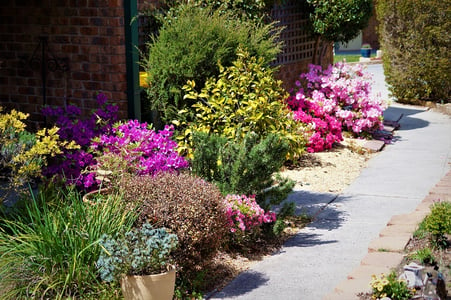
For many retirees, the Blue Mountains lifestyle is one of the region's biggest drawcards. Retirees often value the cooler climate, gardens, walking paths, bushland outlooks and village-centre atmosphere, especially compared with hotter inland or denser urban alternatives.
Lifestyle highlights include:
Cooler conditions and four distinct seasons
Bushland outlooks, walking paths and natural scenery
Established village centres with cafés, shops and community facilities
Gardens, local clubs and outdoor recreation
A slower pace than many metropolitan retirement markets
This mix supports active, social retirement living for people who value nature without giving up access to established town centres.
Getting Around
Transport and access matter in retirement, and the Blue Mountains performs well for a mountain region.
The Blue Mountains rail line connects key communities with western Sydney
The Great Western Highway provides practical road access between mountain towns and larger service centres
Rail services support travel through Glenbrook, Springwood, Wentworth Falls, Leura and Katoomba
Many villages sit relatively close to local shops, medical centres and community facilities
Terrain and hills can affect day-to-day mobility in some locations
For retirees who want a scenic lifestyle without feeling isolated, the region offers a useful balance between mountain living and practical connectivity.
Healthcare Access
Healthcare access is one of the Blue Mountains' practical strengths. Residents benefit from access to Blue Mountains Hospital, Springwood health services and broader referral access into western Sydney.
Key advantages include:
Blue Mountains Hospital for local public hospital care
Springwood health services supporting lower-mountains residents
Nepean Hospital for broader specialist and referral care
Local GPs, pharmacies and allied health providers across established mountain centres
Easier access to larger healthcare networks through Penrith and western Sydney
That combination helps balance mountain lifestyle appeal with longer-term healthcare confidence.
Understanding Retirement Living in NSW
Retirement villages in this state are governed by the Retirement Villages Act 1999 and the Retirement Villages Regulation 2025, which commenced on 1 September 2025. These laws shape disclosure, contract requirements and resident protections across Blue Mountains villages.
NSW prospective residents should review the general inquiry document and disclosure statement carefully before signing. Those documents now include the average resident comparison figure, or ARCF, which helps compare likely village costs and exit charges more consistently between communities.
Operators must also maintain a 10-year asset management plan and make it available for inspection. In older or more established mountain villages, that can be especially useful because it helps residents understand long-term maintenance, capital replacement and how future works may affect village fees.
Contract structures vary. Depending on the arrangement, residents may enter under a licence-to-occupy, leasehold or another contractual model. In some licence-to-occupy style arrangements, stamp duty may not apply in the same way as a standard residential purchase, but legal and financial review is still important before committing.