















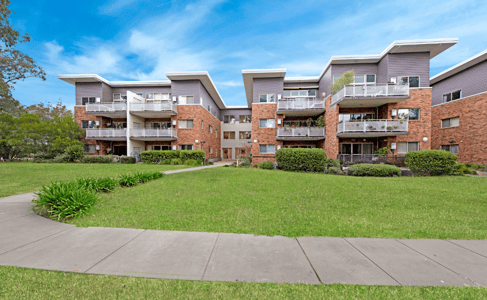



















36 Retirement Living and Retirement Villages in Canberra, ACT
Canberra offers access to 36 retirement villages and over-55 living options, making it one of Australia's more service-rich retirement markets for people who want practical convenience, healthcare access and a compact urban layout. For retirees comparing retirement living in the ACT, the region stands out for its major hospitals, planned-city amenity and easy access to shopping, community services and government-backed infrastructure.
From Belconnen and Bruce to Woden, Weston Creek, Tuggeranong, Gungahlin and the Inner South, Canberra gives retirees a wide mix of lifestyle settings, from established suburban communities to more central villages with stronger access to civic and medical services. Villages.com.au helps you compare local communities, village types and lifestyle features in one place so you can research with more confidence.
Living in ACT, Canberra - A Retiree's Guide
Key Areas
Canberra includes several distinct local hubs, each with a slightly different retirement appeal:
Belconnen and Bruce: strong healthcare access, major shopping and a broad village presence
Woden, Garran and Deakin: established south-side convenience close to major hospitals and specialist care
Weston Creek, Tuggeranong and Kambah: practical suburban retirement living with good everyday amenity
Gungahlin and newer northside communities: more recent housing stock and growing local services
Inner North and Inner South: more premium urban amenity with strong access to civic and cultural facilities
Compared with Queanbeyan and the surrounding NSW fringe, Canberra often feels more compact, better serviced and easier to navigate for healthcare and public transport. For many retirees, the choice comes down to whether they want ACT-level amenity inside the Territory or a slightly more regional fringe setting nearby.
Climate & Lifestyle
For many retirees, Canberra offers a practical lifestyle built around planning, access and stability. The region combines four seasons, cooler winters, walking paths, lakeside amenity, gardens, community clubs and established shopping centres, giving retirees a comfortable urban environment without the scale or congestion of Sydney or Melbourne.
Lifestyle highlights include:
Well-planned suburban centres with strong local amenity
Walking and cycling paths around lakes, parks and green corridors
Cultural, civic and community facilities spread across the Territory
A more manageable city scale than larger capitals
This mix supports active, social retirement living without giving up access to practical services.
Getting Around
Transport and access matter in retirement, and Canberra performs well as a compact city.
Bus services and light rail support movement between town centres and key service hubs
Major arterial roads make driving between Belconnen, Civic, Woden, Tuggeranong and Gungahlin relatively straightforward
The city's planned layout helps residents stay close to shopping, healthcare and community services
For retirees who want independence without feeling isolated, Canberra offers a useful balance between city convenience and day-to-day ease of movement.
Healthcare Access
Healthcare access is one of Canberra's practical strengths. Residents benefit from proximity to Canberra Hospital, North Canberra Hospital, University of Canberra Hospital and a broad network of local GPs, pharmacies and allied health providers across the Territory.
Key advantages include:
Canberra Hospital as the Territory's major acute and specialist-care anchor
North Canberra Hospital for strong northside and Belconnen-region access
University of Canberra Hospital and broader Canberra Health Services support for rehabilitation and sub-acute care
That combination can make Canberra retirement living feel both secure and highly practical over the long term.
Understanding Retirement Living in the ACT
If you are comparing retirement living in Canberra, it is important to look beyond the entry price alone. Retirement villages in the ACT are governed by the Retirement Villages Act 2012, which sets out disclosure rules, contract requirements and resident protections.
ACT prospective residents should pay close attention to the disclosure statement before committing. If a disclosure statement is not given properly, or contains materially false or misleading information, the resident may be able to seek orders through ACAT after moving in. That makes disclosure quality a particularly important comparison point in the ACT market.
The ACT also gives residents a 7 business day cooling-off period after a village contract is entered into. That provides a meaningful opportunity to reconsider the contract and obtain further advice before the arrangement is completed.
Contract structures can vary between villages. Depending on the arrangement, residents may enter under a residence right, lease, licence or other occupancy model. Because contract structure affects ownership rights, ongoing costs, departure fees and whether stamp duty applies, legal and financial review is important before committing.
Fees can include ingoing contributions, recurrent charges and departure or deferred management fees. Current ACT best-practice expectations also include clearer planning around resident wellbeing, including elder-abuse prevention strategies under the retirement villages framework. Comparing the full fee and rights structure is usually more useful than comparing entry price alone.