
































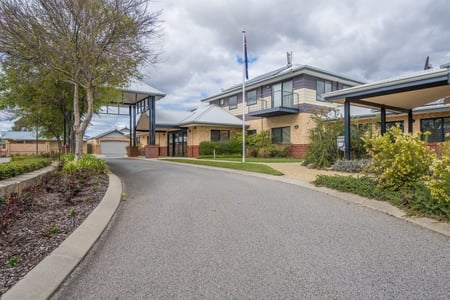





101 Retirement Living and Retirement Villages in South Western WA
South Western WA offers access to 101 retirement villages and over-55 living options, making it one of Western Australia's strongest retirement regions for people who want both lifestyle and practical convenience. For retirees comparing retirement living outside Perth, the region stands out for its broad village choice, coastal and regional appeal, strong local communities, generous seniors concessions and access to key service centres.
From Bunbury and Busselton to Margaret River, Albany, Australind and Dalyellup, South Western WA gives retirees a wide mix of lifestyle settings, from regional coastal centres to quieter community-based locations. Villages.com.au helps you compare local communities, village types and lifestyle features in one place so you can research with more confidence.
Living in South Western WA - A Retiree's Guide
Key Areas
South Western WA includes several distinct local hubs, each with a slightly different retirement appeal:
Bunbury: major regional centre with shopping, healthcare and practical day-to-day convenience
Busselton: coastal lifestyle with strong amenity and broad retirement appeal
Margaret River: premium lifestyle destination with a relaxed community feel
Albany: an established regional city with strong service access and coastal character
Australind and Dalyellup: practical residential bases close to Bunbury's services
Compared with Perth metro living, South Western WA often feels slower-paced and more community-led, while Perth offers the immediate convenience and scale of the capital. For many retirees, the choice comes down to regional lifestyle versus urban proximity.
Climate & Lifestyle
For many retirees, the South Western WA lifestyle is the major drawcard. The region combines coastline, wineries, walking paths, golf and community amenity with a climate that supports outdoor living across much of the year.
Lifestyle highlights include:
Beaches, waterways and coastal walks
Wineries, cafes and regional shopping strips
Golf courses, bowls clubs and community facilities
This mix supports active, social retirement living without giving up day-to-day practicality.
Getting Around
Transport and access matter in retirement, and South Western WA performs well for a broad regional area.
Regional road links connect major towns such as Bunbury, Busselton and Albany
Coach and public transport connections such as Transwa support travel between centres
WA Seniors Card holders can use a SmartRider for free off-peak travel on weekdays between 9:00 am and 3:30 pm and 7:00 pm to 6:00 am, plus free travel on weekends and public holidays
Most communities are car-friendly while still retaining practical service access
For retirees who want independence without feeling isolated, the region offers a useful balance between lifestyle and accessibility. WA Seniors Card members can also access the annual Cost of Living Rebate, which paid $110.07 to singles and $165.10 to couples in 2025.
Healthcare Access
Healthcare access is one of South Western WA's practical strengths. Residents benefit from proximity to major regional services such as South West Health Campus in Bunbury and Busselton Health Campus, alongside a broad network of local GPs, pharmacies and allied health providers.
Key advantages include:
Access to South West Health Campus in Bunbury and Busselton Health Campus
Wider regional support through Albany Health Campus
Local medical centres and support services across major towns
Practical links to specialist care within WA's regional health network
That combination can make South Western WA retirement living feel both secure and highly practical over the long term.
Understanding Retirement Living in Western Australia
If you are comparing retirement living in Western Australia, it is important to look beyond the entry price alone. Retirement villages in this state are governed by the Retirement Villages Act 1992 and the Retirement Villages Code, which set out disclosure rules, contract requirements and resident protections.
Western Australia now requires earlier, clearer disclosure for prospective residents, replacing older and more complex forms with more accessible precontract information. The state also requires a cooling-off period of at least 5 working days after a resident signs a residence contract. In some cases, that period can extend to 10 working days if the required information was not provided at least 5 working days before the contract was signed.
Contract structures can vary between villages. Depending on the arrangement, residents may pay an ingoing contribution, recurrent charges and exit fees when they leave. Because contract structure affects ownership rights, ongoing costs and exit outcomes, legal and financial review is important before committing. Since reforms now require operators to generally pay exit entitlements within 12 months of a resident leaving, timing of exit payments has become a much clearer comparison point.
Stamp duty outcomes can also depend on the agreement type and legal structure, so it should not be assumed either way. Comparing the full fee structure is usually more useful than comparing the entry price alone.