













































74 Retirement Living and Retirement Villages in The West, NSW
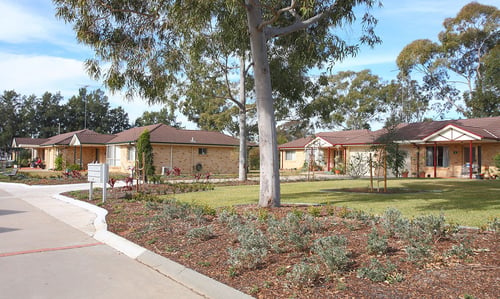
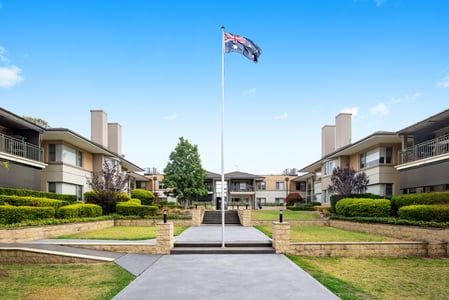
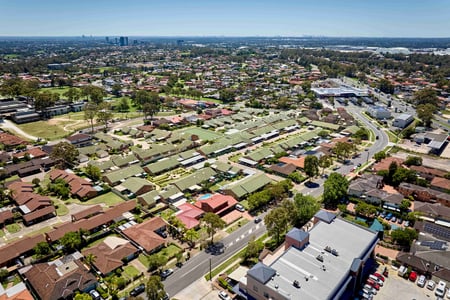
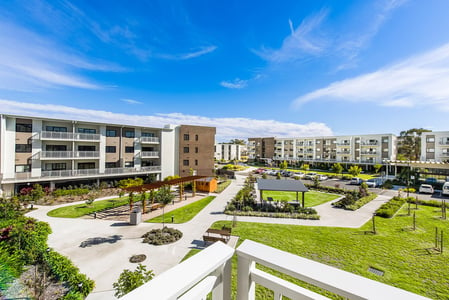
The West offers access to 74 retirement villages and over-55 living options, making it one of Greater Sydney's most practical retirement regions for people who want both convenience and value. For retirees comparing retirement living in NSW, the region stands out for its healthcare access, integrated transport, broad suburban amenity and close connection to major service centres.
From Parramatta and Penrith to Blacktown and the wider Western Sydney corridor, The West gives retirees a wide mix of lifestyle settings, from major service hubs to established suburban communities with strong day-to-day convenience. Villages.com.au helps you compare local communities, village types and lifestyle features in one place so you can research with more confidence.
Living in The West - A Retiree's Guide
Key Areas
The West includes several distinct local hubs, each with a slightly different retirement appeal:
Parramatta: major retail, transport and service centre with strong convenience
Penrith: practical local amenity with access to shops, rail and healthcare
Blacktown: broad suburban service base with strong transport links
Westmead and surrounding areas: world-class health and specialist care precinct
Compared with the Blue Mountains, The West often feels more service-led and more connected to major hospitals, shopping and rail. The Blue Mountains can appeal more to retirees prioritising scenery, leisure and a quieter mountain lifestyle over metropolitan convenience.
Climate & Lifestyle
For many retirees, The West offers a practical lifestyle built around convenience. The region combines suburban amenity, shopping centres, parks, river corridors and community facilities with close access to major services.
Lifestyle highlights include:
Parks, walking paths and community facilities
Major shopping and service centres
Clubs, cafes and everyday convenience close to home
This mix supports connected retirement living without giving up practicality.
Getting Around
Transport and access matter in retirement, and The West performs strongly for a well-connected metropolitan region.
Train services link key suburbs with Parramatta, Penrith and the Sydney CBD
Buses provide strong local coverage across Western Sydney
Eligible seniors using a Gold Opal card pay no more than $2.50 a day across the Opal network, which keeps regular trips to hospitals, shops or family visits highly affordable
Major road corridors support travel between key centres and hospitals
For retirees who want independence without feeling isolated, the region offers a useful balance between accessibility and everyday convenience.
Healthcare Access
Healthcare access is one of The West's strongest practical advantages. Residents benefit from proximity to the Westmead Health Precinct, Blacktown Hospital, Nepean Hospital and a broad network of local GPs, pharmacies and allied health providers.
Key advantages include:
Access to the Westmead Health Precinct, one of Australia's most important medical, research and specialist-care hubs
Proximity to Blacktown Hospital and the wider Blacktown health precinct, which reflects the integrated-care trend across Western Sydney
Access to Nepean Hospital for Penrith and outer-west residents
Local medical centres and support services across major suburbs
Practical links to specialist care within Sydney's wider health network
That combination can make retirement living in The West feel both secure and highly convenient over the long term.
Understanding NSW Retirement Laws (2026 Update)
If you are comparing retirement living in NSW, it is important to look beyond the entry price alone. Retirement villages in this state are governed by the Retirement Villages Act 1999, which sets out disclosure rules, contract requirements and resident protections.
The Retirement Villages Regulation 2025 commenced on 1 September 2025 and sharpened several practical disclosure requirements for prospective residents. One of the most useful changes is the continued standardisation of the average resident comparison figure, or ARCF, in disclosure statements. The ARCF uses a prescribed formula to combine recurrent charges, departure fees and any capital gain component over an assumed seven-year stay, helping retirees compare the likely cost of living in one village against another.
Contract structures can vary between villages. Depending on the arrangement, residents may enter under a licence-to-occupy, leasehold or other contractual model. Because contract structure affects ownership rights, ongoing costs, exit outcomes and whether stamp duty applies, legal and financial review is important before committing.
Many villages also charge deferred management fees or exit fees when a resident leaves. These costs can materially affect long-term value, so it is important to compare the full fee structure rather than focusing only on the ingoing amount.
Operators must also maintain a 10-year asset management plan and make it available to current and prospective residents. For larger and more established Western Sydney villages, that long-range view matters because it gives better visibility over capital maintenance, replacement planning and who is expected to bear those costs.
NSW residents generally have cooling-off rights after signing a retirement village contract. As of April 2026, that cooling-off period is typically 7 business days, which provides time to reconsider and obtain further advice if needed.