














83 Retirement Living and Retirement Villages in North Perth, WA
North Perth offers access to 83 retirement villages and over-55 living options across the broader region, making it one of Western Australia’s most established retirement markets. For retirees comparing retirement living in Perth, the region stands out for its leafy suburbs, strong healthcare network, local shopping precincts and easy access to the CBD.
From North Perth and Mount Hawthorn to Leederville, Yokine, Dianella and Balcatta, North Perth gives retirees a broad mix of lifestyle settings, from walkable inner-city neighbourhoods to quieter suburban communities. Villages.com.au helps you compare local communities, village types and lifestyle features in one place so you can research with more confidence.
Living in North Perth - A Retiree’s Guide
Retirement in North Perth offers everyday convenience alongside a strong sense of community. Residents can remain close to family, familiar services and the Perth CBD while enjoying established neighbourhoods with parks, cafés and local shopping.
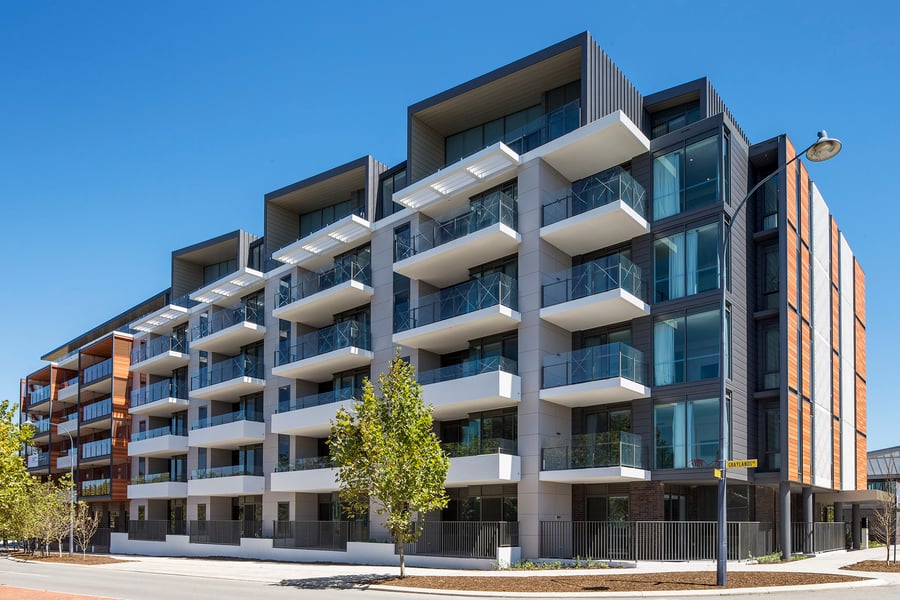
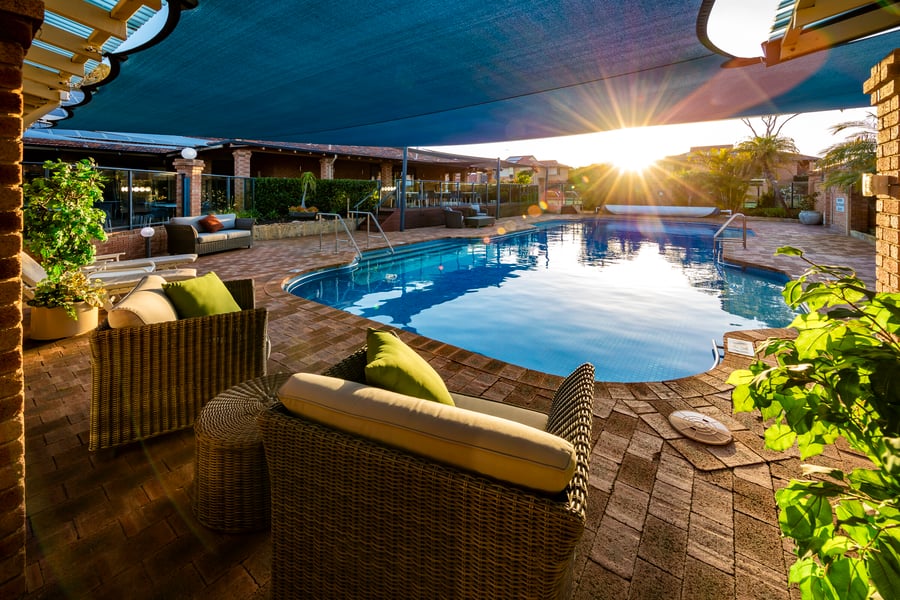
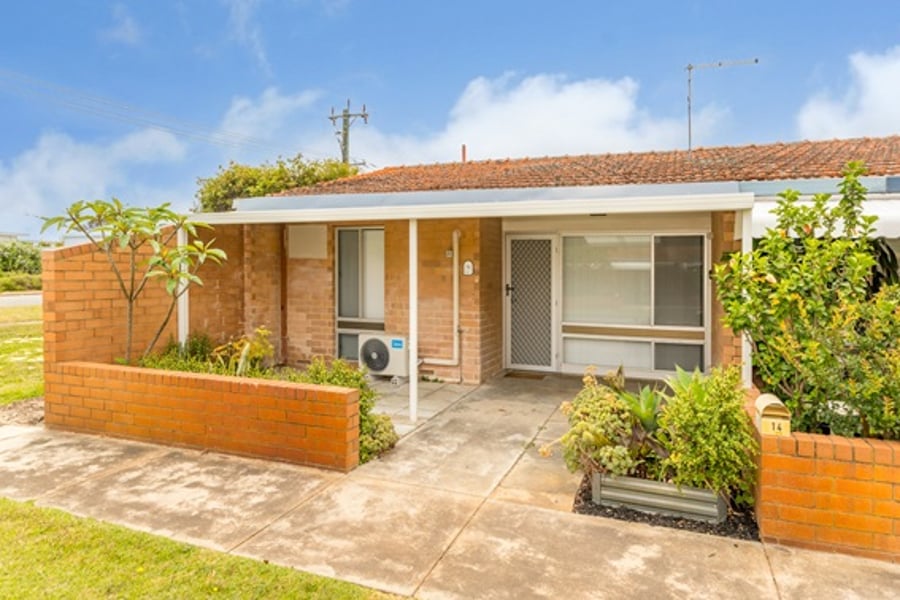
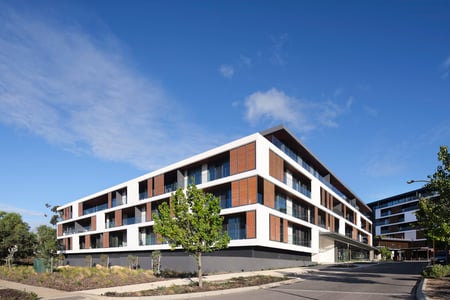
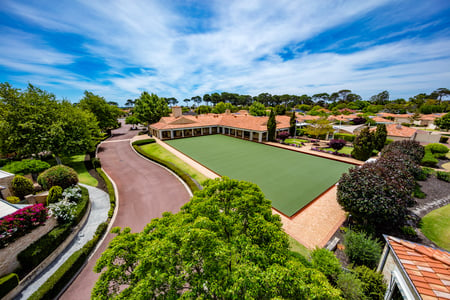
The region also offers a broad mix of retirement communities, including apartment-style developments, independent living units and larger villages with shared facilities. This variety gives retirees options across different locations, property styles and price points.
Key Areas
North Perth includes several distinct local hubs, each with a slightly different retirement appeal:
North Perth: tree-lined streets, heritage character and walkable access to cafés, parks and local services
Mount Hawthorn and Leederville: lively inner-suburban communities with dining, shopping and convenient access to the CBD
Yokine and Tuart Hill: practical residential suburbs with parklands, local shopping and easy access to major roads
Menora and Dianella: established neighbourhoods with a strong concentration of retirement communities and local services
Inglewood and Mount Lawley: character-rich suburbs offering shopping strips, cafés and convenient city access
Balcatta, Gwelup and Duncraig: quieter northern suburbs with established retirement villages, shopping and healthcare access
Compared with South Perth, North Perth often feels more varied between inner-city neighbourhoods and established northern suburbs. South Perth offers stronger river-oriented living, while North Perth provides a broader mix of urban convenience, suburban space and access to northern coastal areas.
Climate & Lifestyle
For many retirees, the North Perth lifestyle is the major drawcard. The region combines Perth’s Mediterranean climate with leafy streets, parklands, local shopping precincts and easy access to the coast and city.
Lifestyle highlights include:
Long, warm summers and generally mild winters
Parks, reserves and local walking paths
Cafés, restaurants and neighbourhood shopping precincts
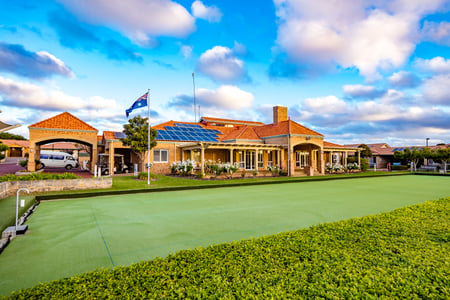
Golf courses, bowls clubs and recreation facilities
Libraries, community centres and social groups
Easy access to Perth’s beaches and cultural attractions
A choice between lively inner suburbs and quieter residential communities
This mix supports active, social retirement living without giving up everyday convenience. Retirees can remain close to established friendships and family networks while moving into a more manageable home.
Getting Around
Transport and access matter in retirement, and North Perth performs strongly for a metropolitan region.
Regular bus services connect inner and northern suburbs with the Perth CBD
Train stations around Leederville and the wider northern corridor provide access to the metropolitan rail network
Major roads connect the area with central Perth, northern suburbs, hospitals and coastal communities
Many neighbourhoods offer walkable access to supermarkets, pharmacies, cafés and medical centres
WA Seniors Card holders may qualify for public transport concessions and free travel during eligible periods
Retirement village buses and community transport may provide additional support in some locations
Public transport access differs between individual suburbs, so the distance from a village to bus stops, railway stations and essential services should be considered carefully. For retirees who want to rely less on driving, inner suburbs such as North Perth, Mount Hawthorn and Leederville can offer particularly practical day-to-day access.
Healthcare Access
Healthcare access is one of North Perth’s strongest practical advantages. Residents benefit from proximity to major public and private hospitals, specialist services and a broad network of local GPs, pharmacies and allied health providers.
Key advantages include:
Sir Charles Gairdner Hospital as a major tertiary and specialist-care anchor
Osborne Park Hospital supporting residents across Perth’s inner-northern suburbs
Royal Perth Hospital providing major public hospital and emergency services close to the CBD
St John of God Subiaco Hospital and other private facilities offering specialist and surgical care
Local medical centres and pharmacies across North Perth, Yokine, Dianella and Balcatta
Practical access to physiotherapy, dental, diagnostic and other allied health services
That combination can make North Perth retirement living feel both secure and highly convenient over the long term, especially for retirees who want metropolitan healthcare within easy reach.
Understanding Retirement Living in Western Australia
If you are comparing retirement living in North Perth, it is important to look beyond the home, facilities and entry price alone. Retirement villages in Western Australia are governed by the Retirement Villages Act 1992, associated regulations and the Retirement Villages Code, which establish disclosure, contract and resident-protection requirements.
Prospective residents should carefully review the disclosure statement and residence contract before committing. These documents should explain the residence right, ingoing contribution, recurrent charges, village services, maintenance responsibilities, leaving fees and how any exit entitlement will be calculated.
Contract structures vary between villages. Depending on the arrangement, residents may enter under a lease-for-life, licence-to-occupy, strata title or another occupancy model. The legal structure can affect ownership rights, ongoing costs, resale arrangements, exit outcomes and whether stamp duty applies.
Residents may also pay ongoing charges and deferred management or leaving fees. These costs can materially affect long-term value, so it is important to understand how they are calculated, whether they increase over time and what deductions will be made when the resident leaves.
Western Australia generally provides prospective residents with a cooling-off period of at least five working days after signing a residence contract. Different provisions may apply if required information was not supplied within the prescribed timeframe, making independent contract advice particularly important.
Operators are generally required to pay an eligible former resident’s exit entitlement within 12 months after the resident permanently moves out. Earlier payment may be required under the contract or when a new resident enters the home, while approved extensions or exemptions can apply in limited circumstances.
Operators must also provide a statement explaining how the exit entitlement has been calculated. This should include relevant fees, deductions, capital gain or loss and the expected payment arrangements.
Because tenure, ongoing fees, maintenance responsibilities and exit outcomes differ between villages, independent legal and financial advice is important before committing. Comparing the complete fee and rights structure is usually more useful than focusing only on the initial entry payment.