










17 Retirement Living and Retirement Villages in Bundaberg and Coral Coast, QLD
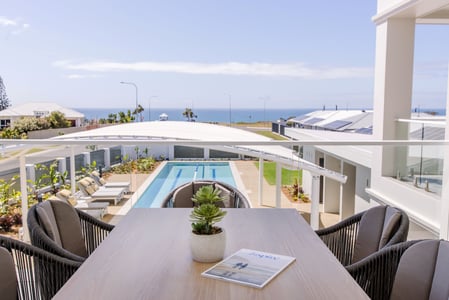
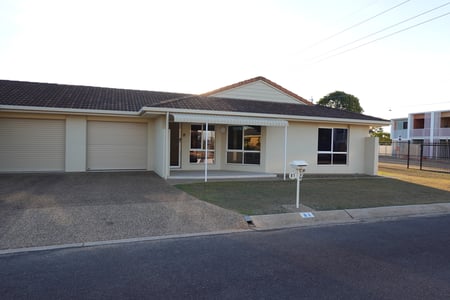
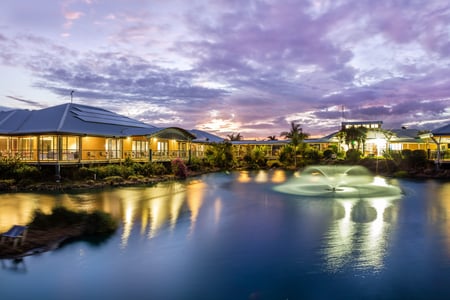
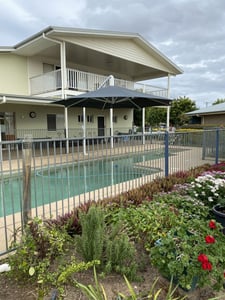
Bundaberg and Coral Coast offers access to 17 retirement villages and over-55 living options, making it a strong retirement market for people who want both sea-change appeal and practical value. For retirees comparing retirement living in Queensland, the region stands out for its warm climate, flatter coastal living, strong regional service base and practical healthcare access.
From Bundaberg and Avoca to Bargara, Burnett Heads and Bundaberg North, the region gives retirees a mix of regional-centre convenience and coastal lifestyle appeal. Villages.com.au helps you compare local communities, village types and lifestyle features in one place so you can research with more confidence.
Living in Bundaberg and Coral Coast - A Retiree's Guide
Key Areas
Bundaberg and Coral Coast includes several distinct local hubs, each with a different retirement appeal:
Bundaberg: the region's main service centre with hospitals, shopping and day-to-day convenience
Bargara and nearby coastal pockets: stronger sea-change appeal with beachside living and premium over-55 communities
Burnett Heads: smaller coastal community with marina access and a slower pace
Avoca and Bundaberg North: practical suburban locations close to services and established retirement options
Compared with Fraser Coast, Bundaberg and Coral Coast often feels smaller and more tightly centred on one main regional city, while Fraser Coast tends to spread across a broader Hervey Bay-Maryborough footprint. For many retirees, the choice comes down to whether they prefer Bundaberg's service-centred layout or a wider coastal region.
Climate & Lifestyle
For many retirees, Bundaberg and Coral Coast offers an easy coastal-regional lifestyle. The region combines warm winters, flatter terrain, beaches and practical local shopping with a more relaxed pace than larger Queensland coastal centres.
Lifestyle highlights include:
Subtropical climate with mild winters
Easy access to beaches, coastal drives and outdoor living
Flatter terrain in many key areas, which can help support active ageing
This mix supports active retirement living without giving up day-to-day convenience.
Getting Around
Transport and access matter in retirement, and Bundaberg and Coral Coast performs best for people who want practical regional mobility.
Local roads and bus services connect Bundaberg with suburbs and nearby coastal communities
Many retirement communities are close to shopping, medical centres and day-to-day services
Flatter terrain in places such as Bundaberg and Bargara can make walking and cycling more practical for some retirees
For retirees who want independence without high-density congestion, the region offers a useful balance between space and accessibility.
Healthcare Access
Healthcare access is one of Bundaberg and Coral Coast's practical strengths. Residents benefit from proximity to Bundaberg Hospital, Friendly Society Private Hospital and a broad network of local GPs, pharmacies and allied health providers across the wider region.
Key advantages include:
Bundaberg Hospital as the region's main public hospital and specialist-care anchor
Friendly Society Private Hospital as an important private-health option within the Bundaberg care network
The new Bundaberg Hospital project supports the region's longer-term healthcare expansion and future service capacity
Practical access to local medical centres across Bundaberg, Bargara and nearby suburbs
That combination can make retirement living in Bundaberg and Coral Coast feel both secure and practical over the long term, especially for retirees who want a coastal lifestyle without losing access to essential services.
Understanding Retirement Living in Queensland
If you are comparing retirement living in Bundaberg and Coral Coast, it is important to look beyond the entry price alone. Retirement villages in this state are governed by the Retirement Villages Act 1999, which sets out disclosure rules, contract requirements and resident protections.
Queensland prospective residents should review disclosure material carefully before committing. The state uses a 21-day precontract disclosure period and a 14-day cooling-off period, which gives retirees time to review the contract and seek advice.
Queensland's 2025-26 transparency updates are also important. Operators are required to provide residents with more detailed audited financial reporting and clearer maintenance-budget information, which can make it easier to compare different villages and understand likely ongoing costs. Village Comparison Documents, or VCDs, remain a key tool for comparing facilities, fees and contract structures, and villages are required to provide them to support like-for-like comparisons.
Exit entitlements also matter. In Queensland, operators are generally required to pay an exit entitlement or complete a buyback within 18 months in many standard cases, making this one of the state's strongest financial trust signals for retirees. Reform discussion has continued around moving to a shorter 12-month timeframe, but the current 18-month standard remains the safer baseline to explain. Residents moving to aged care may also be able to request that a Daily Accommodation Payment be paid from their final exit entitlement in some circumstances.
Contract structures and fee models can vary. Because ingoing arrangements, deferred management fees, recurrent charges and exit outcomes differ between villages, legal and financial review is important before committing.