










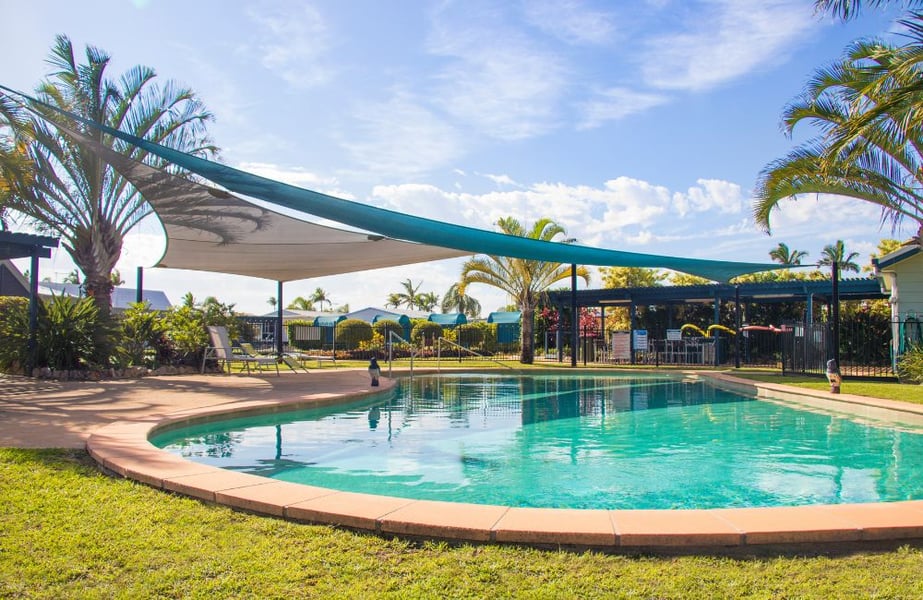

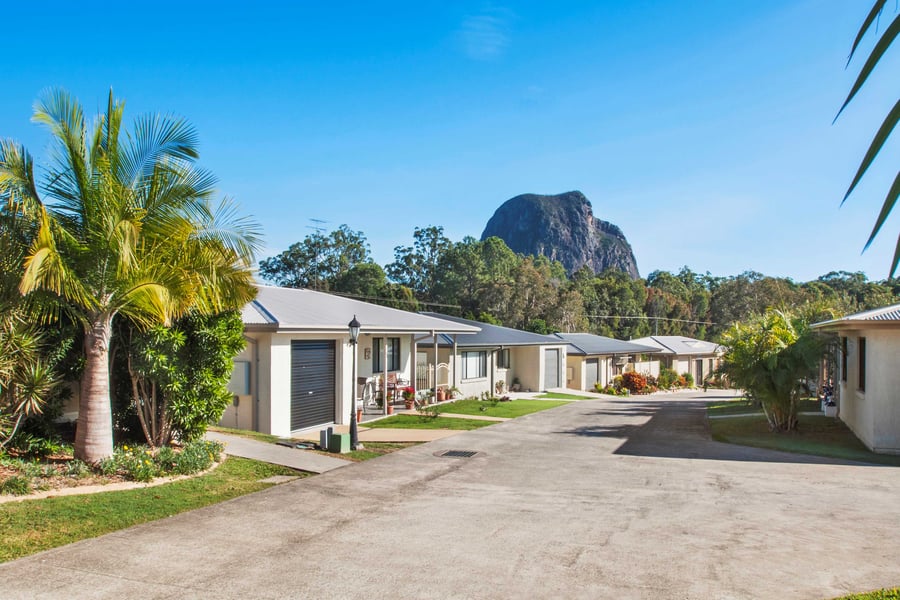

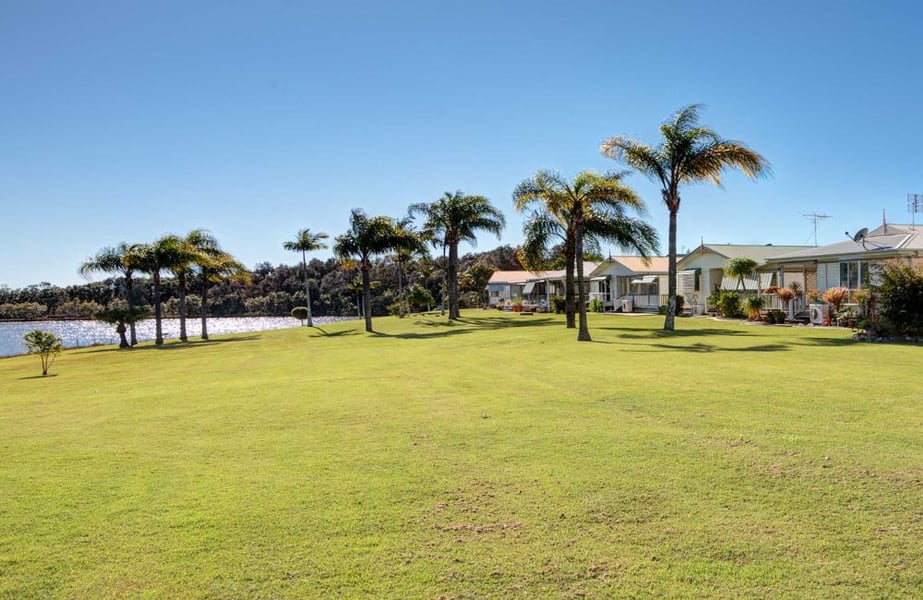
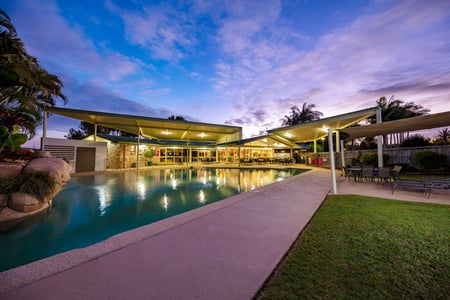







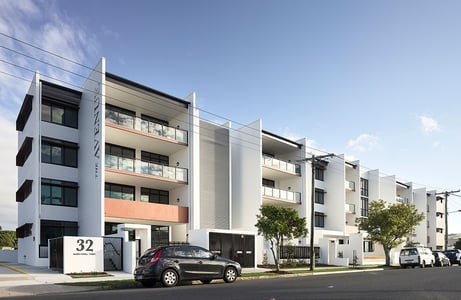




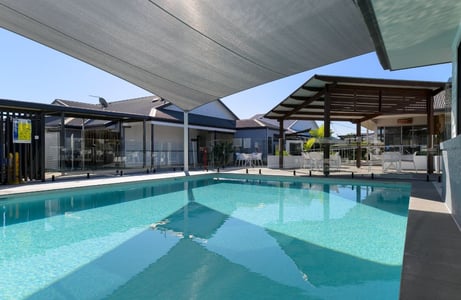
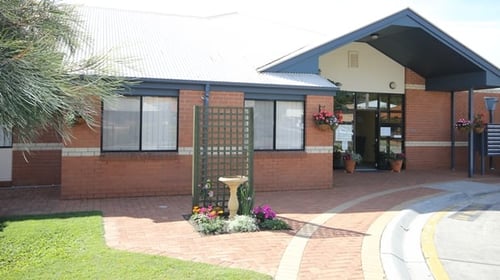

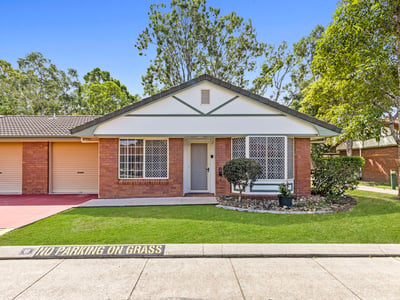






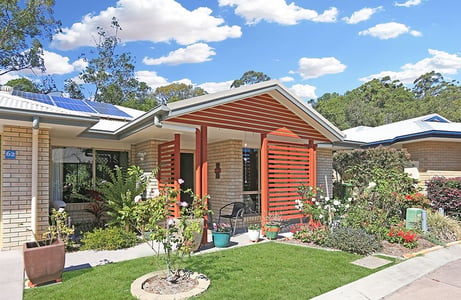
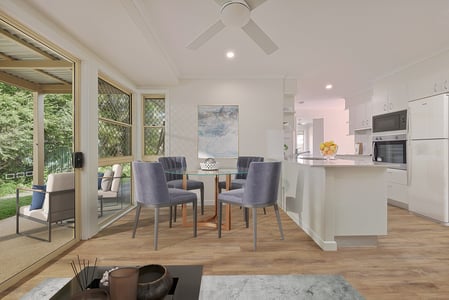

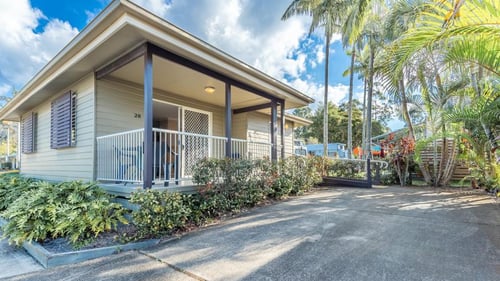

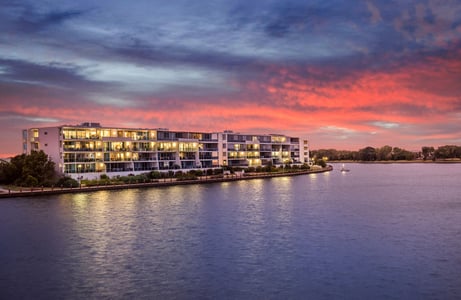

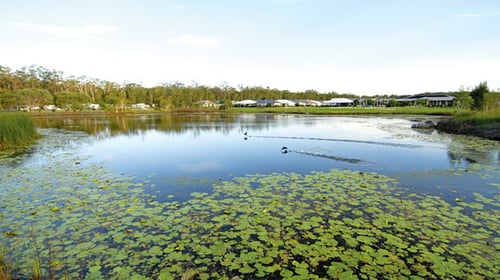




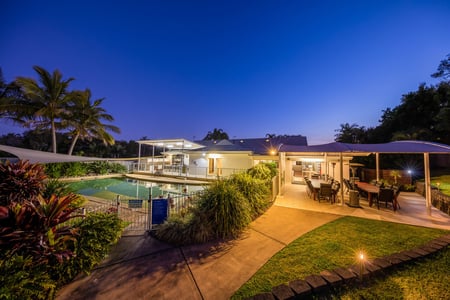















136 Retirement Living and Retirement Villages in Sunshine Coast, QLD
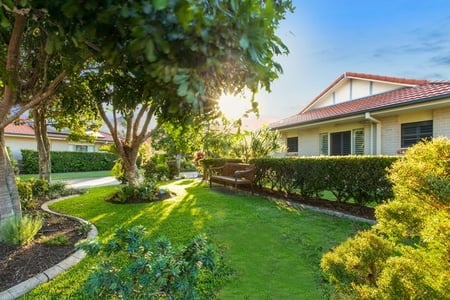
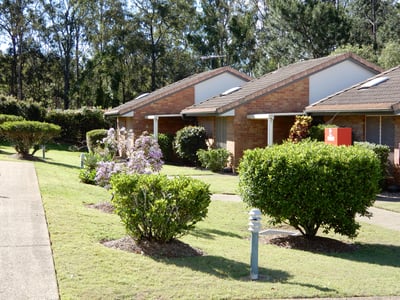
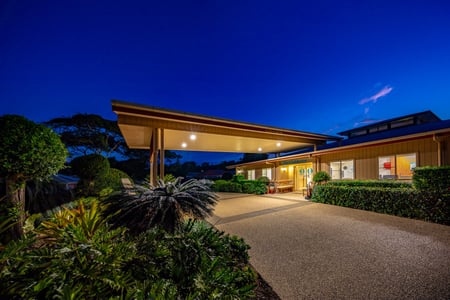
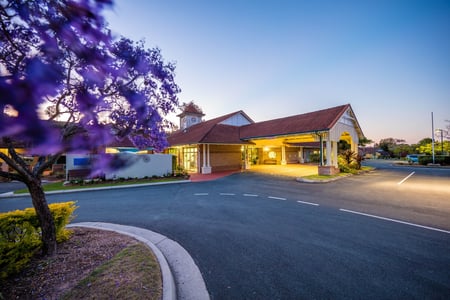
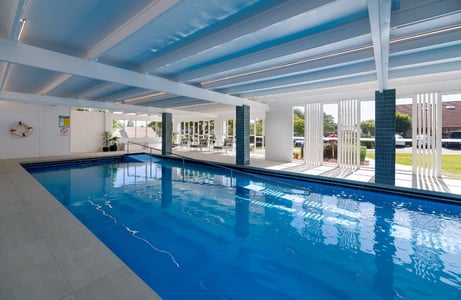
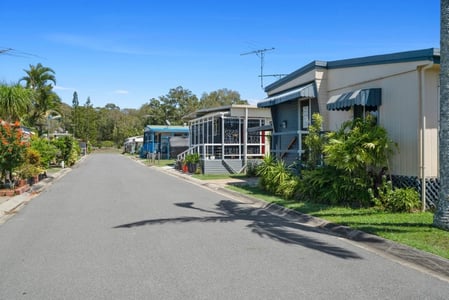
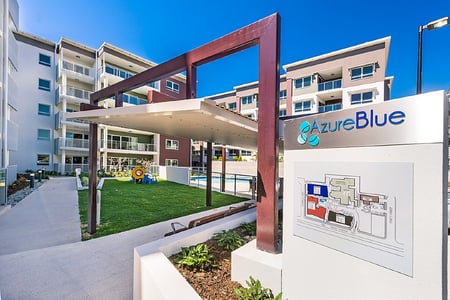
Sunshine Coast offers access to 136 retirement villages and over-55 living options, making it one of Queensland's most established retirement regions for people who want both lifestyle and practical convenience. For retirees comparing Sunshine Coast with Gold Coast, it usually stands out for a more relaxed, lower-density setting, broad village choice, strong healthcare access and practical transport links to Brisbane.
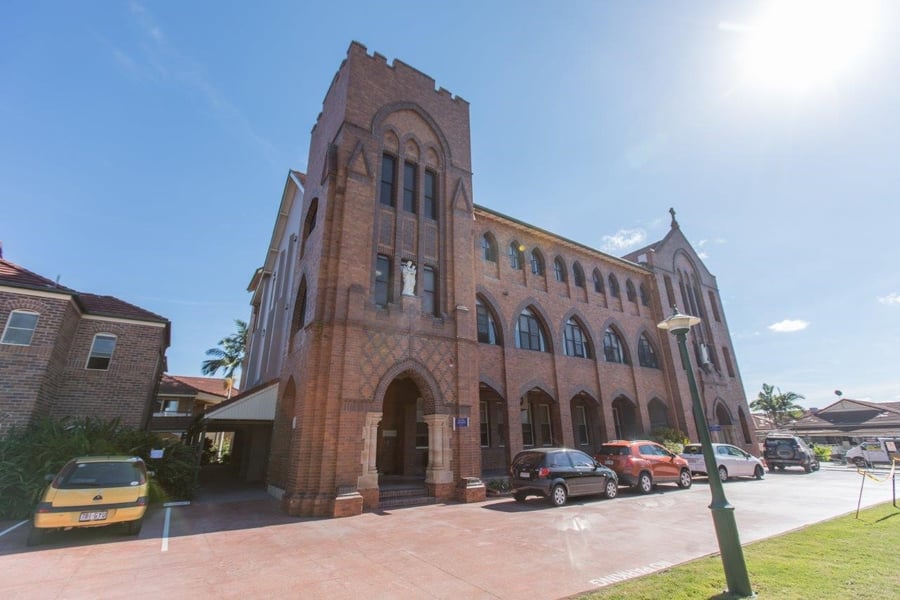
From Maroochydore and Buderim to Noosa, Caloundra, Nambour and Birtinya, the Sunshine Coast gives retirees a wide mix of lifestyle settings, from beachside precincts and leafy hinterland-edge suburbs to well-serviced healthcare hubs. Villages.com.au helps you compare local communities, village types and lifestyle features in one place so you can research with more confidence.
Living in Sunshine Coast - A Retiree's Guide
Key Areas
The Sunshine Coast includes several distinct local hubs, each with a slightly different retirement appeal:
Maroochydore: major retail and service centre with transport links and established amenity
Buderim: leafy, elevated and well established, with strong appeal for downsizers
Noosa and Noosaville: premium coastal lifestyle with shopping, dining and village choice
Caloundra and Pelican Waters: relaxed southern coastal settings with strong retirement appeal
Nambour and Birtinya: practical healthcare and transport access with growing village options
Compared with the Gold Coast, the Sunshine Coast often feels more relaxed and master-planned, while Gold Coast can feel more active, higher-density and high-rise in its main coastal centres.
Climate & Coastal Lifestyle
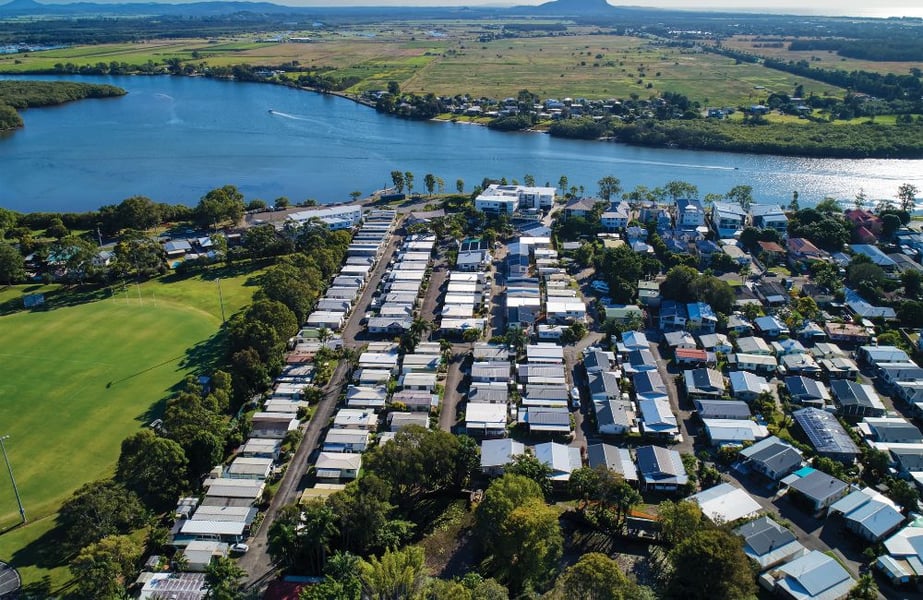
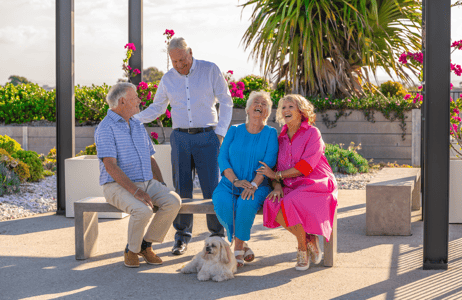
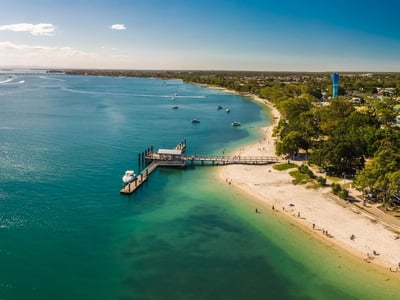
For many retirees, the Sunshine Coast lifestyle is the major drawcard. The region combines beaches, waterways, golf courses, walking paths and village centres with a subtropical climate that supports outdoor living for much of the year.
Lifestyle highlights include:
Beaches, foreshore walks and coastal lookouts
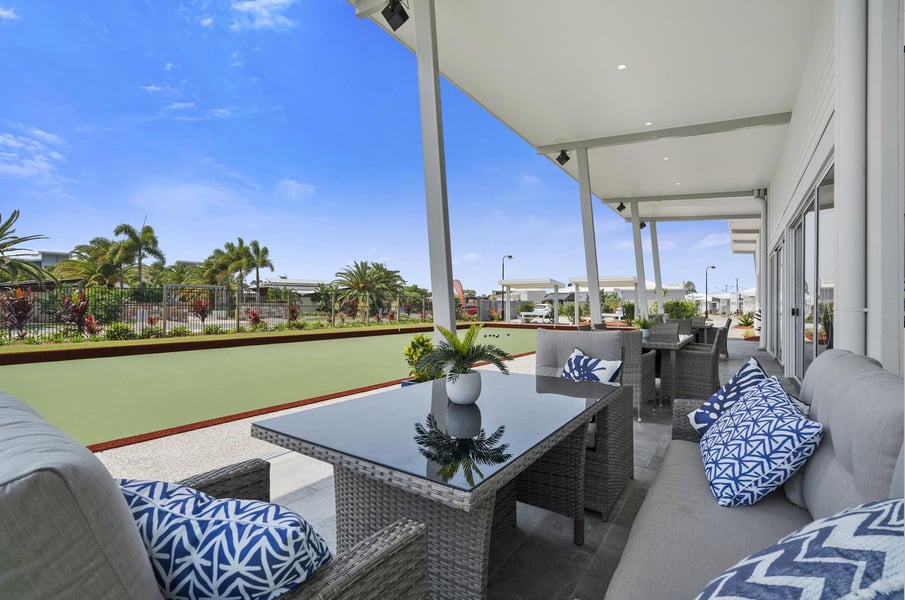
Golf courses, bowls clubs and leisure facilities
Cafes, shopping villages and community activities across multiple centres
This mix supports active, social retirement living without giving up access to major services.
Affordable Local Connectivity
Transport and access matter in retirement, and Sunshine Coast performs well for a large regional corridor.
Regular Queensland Rail services run between Nambour and Brisbane
Bus services operate across the coast through the Translink network, with 50-cent fares helping keep routine trips affordable
Eligible older residents can also use Sunshine Coast Council's Council Link, a low-cost door-to-door shopping transport service available in serviced areas
Sunshine Coast Airport adds convenience for family visits and interstate travel
For retirees who want independence without feeling isolated, the region offers a useful balance between lifestyle and accessibility.
Healthcare Access
Healthcare access is one of Sunshine Coast's practical strengths. Residents benefit from proximity to Sunshine Coast University Hospital, Nambour General Hospital and a broad network of local GPs, pharmacies and allied health providers.
Key advantages include:
Access to Sunshine Coast University Hospital and Nambour General Hospital
Local medical centres and support services across major suburbs and townships
Practical links to specialist care within the Sunshine Coast Health network
That combination can make Sunshine Coast retirement living feel both secure and highly convenient over the long term.
Understanding QLD Retirement Laws (2026 Update)
If you are comparing retirement living in Queensland, it is important to look beyond the entry price alone. Retirement villages in this state are governed by the Retirement Villages Act 1999, which sets out disclosure rules, contract requirements and resident protections.
Queensland places strong emphasis on precontract information. Operators must generally provide key disclosure documents at least 21 days before a resident enters into a residence contract, unless the disclosure period is validly waived after legal advice. After signing, residents generally have a 14-day cooling-off period and can withdraw without penalty.
For 2025-26 and beyond, Queensland has also strengthened retirement village financial transparency. Under the Retirement Villages (Financial Documents) Amendment Regulation 2024, village budgets, quarterly statements, annual financial statements and audit reports now carry more prescribed detail, including clearer maintenance reserve, capital replacement and general services information. That gives residents better visibility into village finances before and after they move in.
Contract structures can vary between villages. Depending on the arrangement, residents may pay an ingoing contribution, recurrent charges and exit or deferred management fees when they leave. Because contract structure affects ownership rights, ongoing costs and exit outcomes, legal and financial review is important before committing.
For unsold units, the current Queensland standard generally requires payment of the exit entitlement within 18 months after termination, subject to the statutory framework and limited exceptions. Queensland has also formally supported reform toward a 12-month buyback and exit payment model from vacant possession, which is a useful direction-of-travel signal for retirees comparing operators.
Queensland's reform pathway also includes an aged care transition protection. In applicable cases, a resident moving into residential aged care can request that the operator pay the Daily Accommodation Payment directly to the facility, with those payments then deducted from the resident's final exit entitlement.
Stamp duty outcomes can also depend on the agreement type and legal structure, so it should not be assumed either way. Comparing the full fee structure is usually more useful than comparing the entry price alone.