























































132 Retirement Living and Retirement Villages in Mid North Coast, NSW
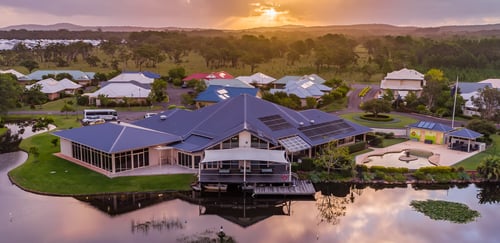
Mid North Coast offers access to 132 retirement villages and over-55 living options, making it one of NSW’s most established retirement regions for people who want coastal lifestyle appeal and practical regional services. For retirees comparing retirement living in NSW, the region stands out for its mild climate, strong healthcare network, broad village choice and relaxed pace.
From Port Macquarie and Coffs Harbour to Forster, Tuncurry, Taree, Kempsey and Nambucca Heads, the Mid North Coast gives retirees a broad mix of lifestyle settings, from larger coastal service centres to quieter waterfront and regional communities. Villages.com.au helps you compare local communities, village types and lifestyle features in one place so you can research with more confidence.
Living in Mid North Coast - A Retiree’s Guide
Key Areas
The Mid North Coast includes several distinct local hubs, each with a slightly different retirement appeal:
Port Macquarie: one of the region’s largest retirement hubs, with major healthcare services, shopping, beaches and a broad range of village options
Coffs Harbour and Sawtell: larger regional-city convenience combined with coastal access, airport connections and established medical services
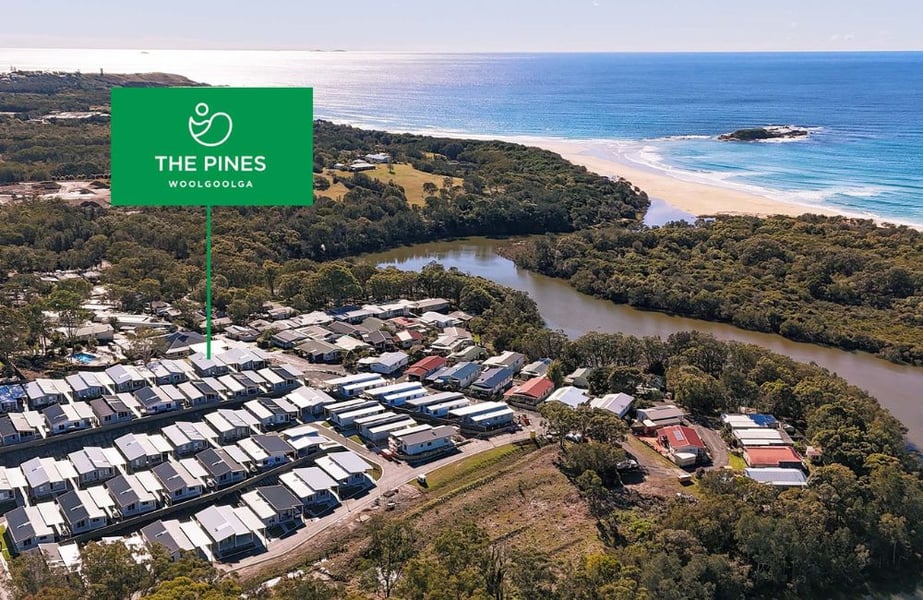
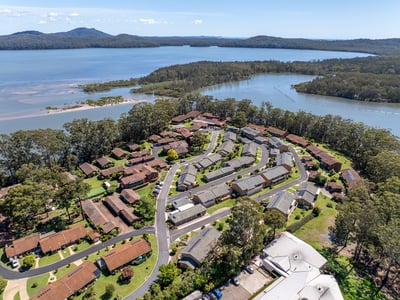
Forster and Tuncurry: relaxed twin-town living with beaches, lakes, waterways and strong retiree appeal
Taree: practical regional service centre with shopping, healthcare and access to surrounding coastal communities
Kempsey and Nambucca Heads: smaller communities offering a slower pace and, in many cases, more accessible price points
Wauchope: country-style living within practical reach of Port Macquarie’s larger healthcare and shopping network
Compared with the Central Coast, the Mid North Coast often feels more regional, lower-density and removed from Sydney. Within the region, Port Macquarie suits retirees seeking stronger services and village choice, while Forster and Tuncurry offer a quieter lifestyle shaped by beaches and waterways.
Climate & Lifestyle
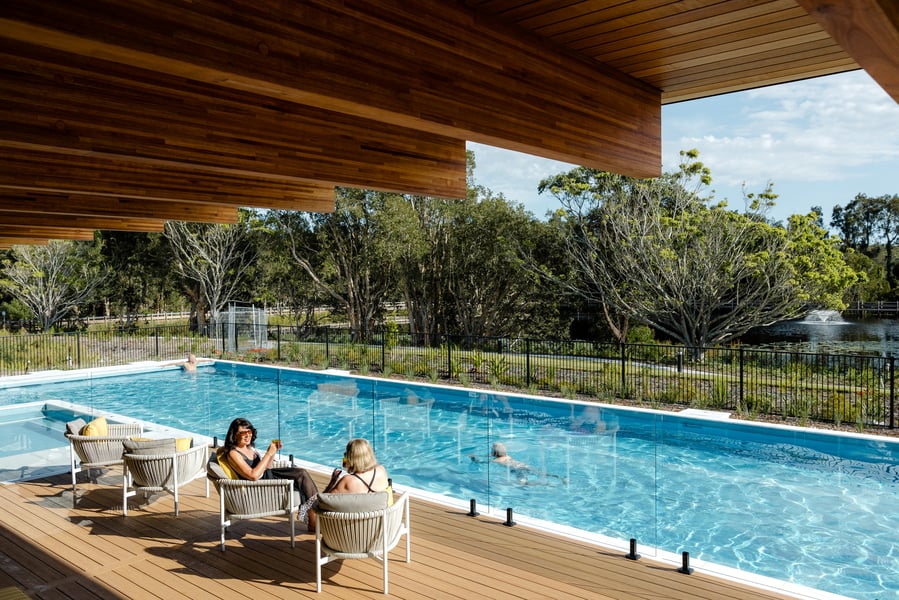
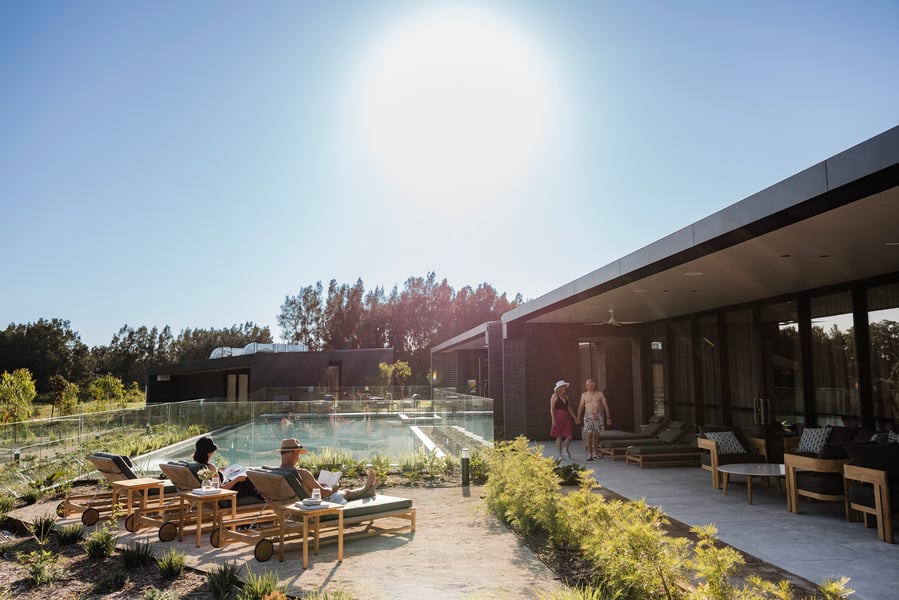
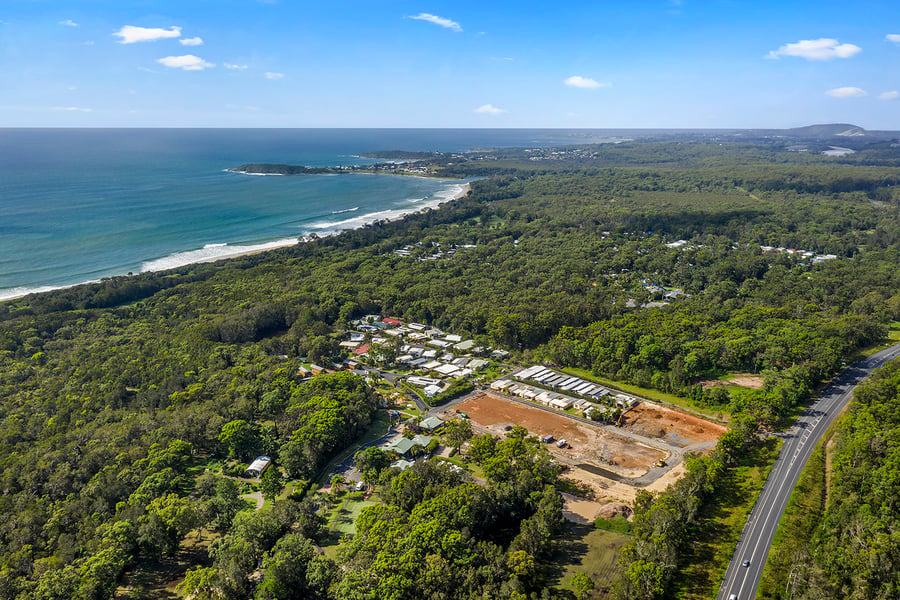
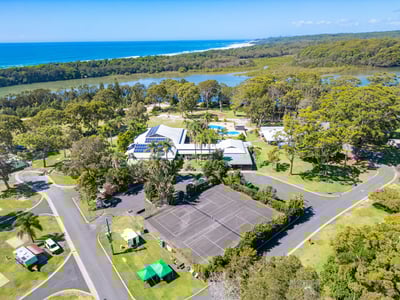
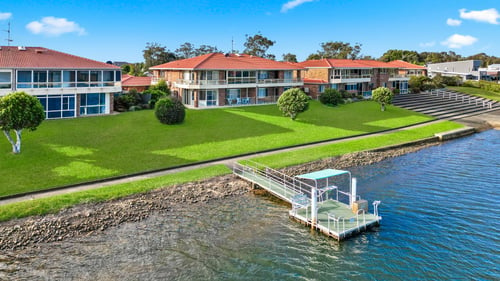
For many retirees, the Mid North Coast lifestyle is the main drawcard. The region combines a mild coastal climate with beaches, waterways, national parks, walking paths, golf courses and established town centres that support outdoor living throughout much of the year.
Lifestyle highlights include:
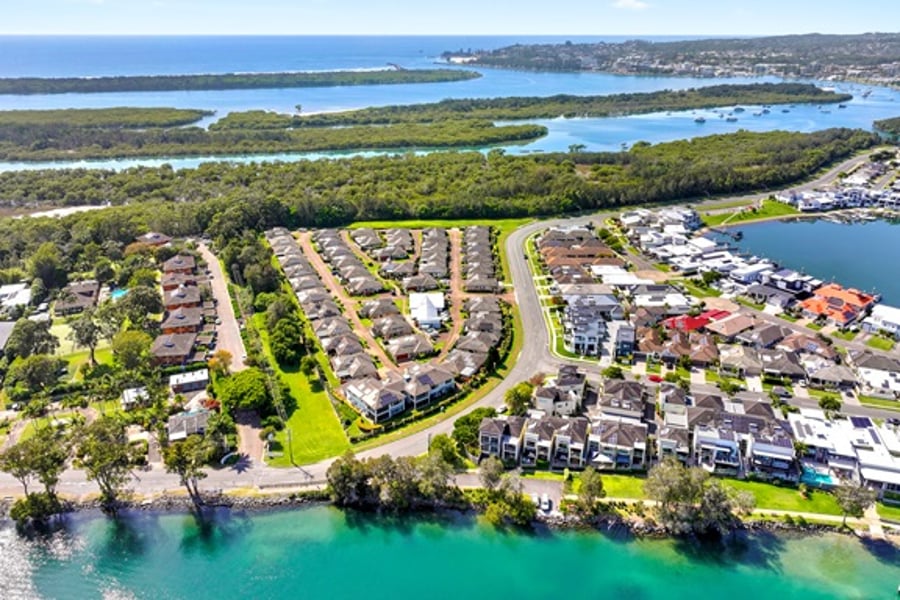
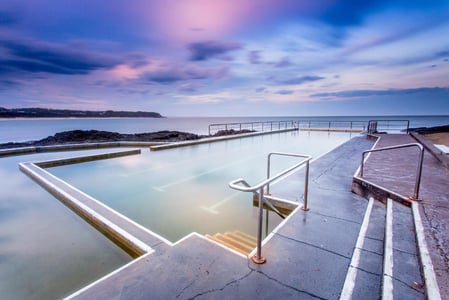
Beaches, estuaries and foreshore walking paths
National parks, nature reserves and scenic coastal drives
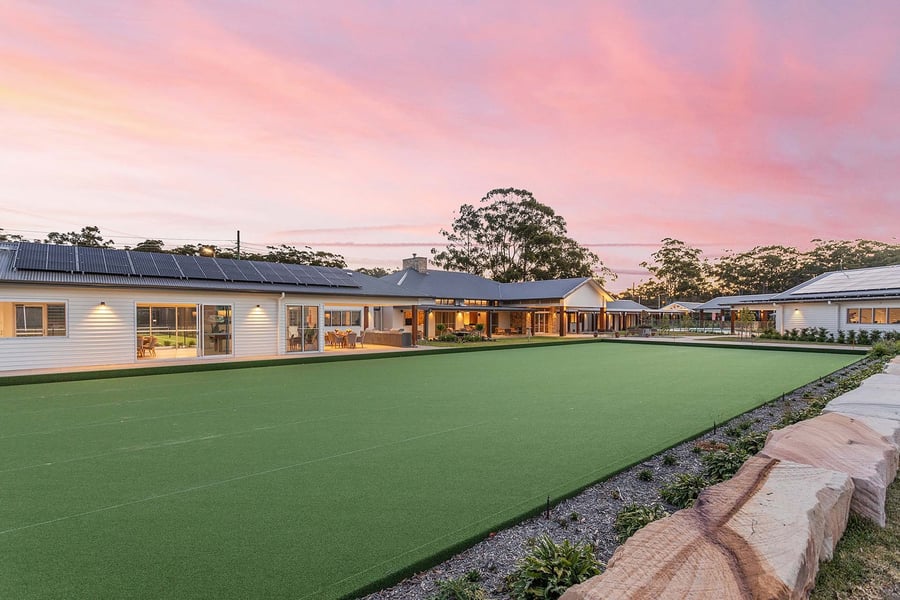
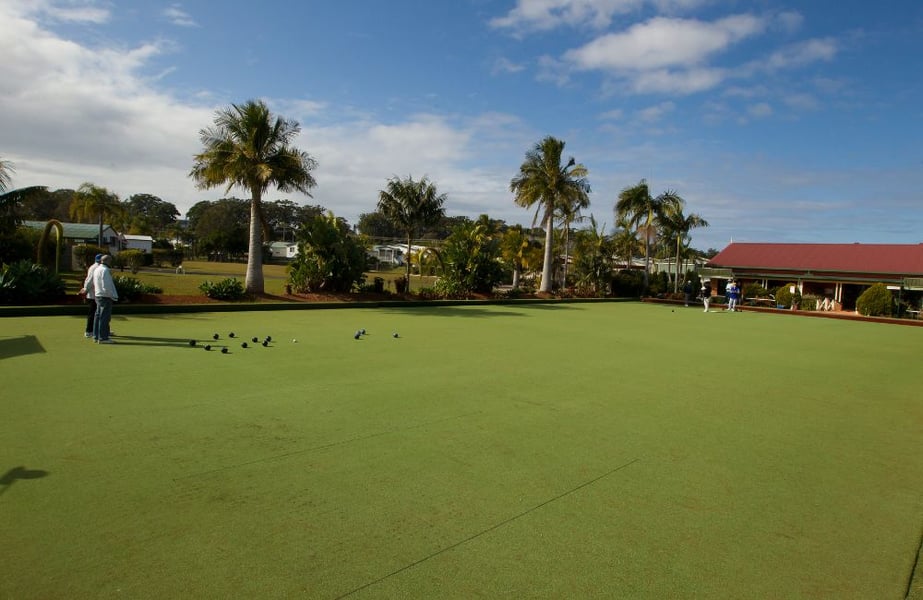
Golf courses, bowls clubs and community facilities
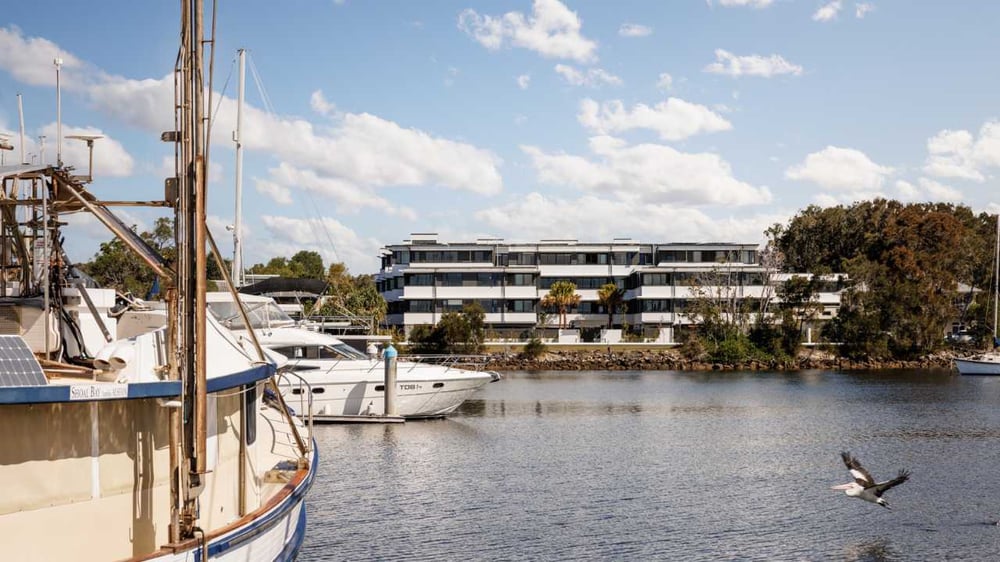
Boating, fishing and other water-based recreation
Cafés, shopping centres and local social activities
A broad choice between larger regional centres and quieter coastal towns
This mix supports active, social retirement living without giving up access to practical services. The range of settings also allows retirees to choose between a busier regional centre and a smaller community with a slower pace.
Getting Around
Transport and access matter in retirement, and the Mid North Coast performs well for a broad regional corridor.
The Pacific Highway connects major centres including Port Macquarie, Kempsey, Nambucca Heads and Coffs Harbour
NSW TrainLink rail and coach services support travel between larger centres and other parts of NSW
Local buses connect many residential areas with shopping centres, hospitals and town hubs
Regional airports at Port Macquarie and Coffs Harbour provide practical connections for interstate travel and family visits
Eligible seniors using a Gold Opal card can travel for no more than $2.50 a day on standard Opal services, while separate fares and concessions may apply to booked regional services
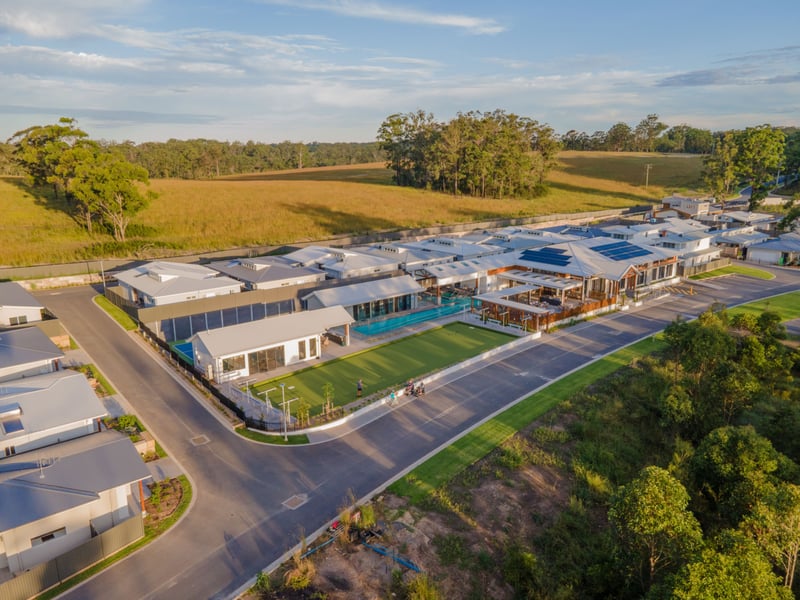
Many retirement communities are positioned close to local shops, medical centres and everyday services
Most Mid North Coast communities remain car-friendly, although transport access differs between larger centres and smaller towns. For retirees who want independence without feeling isolated, the region offers a useful balance between coastal lifestyle and regional accessibility.
Healthcare Access
Healthcare access is one of the Mid North Coast’s practical strengths. Residents benefit from major regional hospitals, private healthcare options and a broad network of local GPs, pharmacies, specialists and allied health providers.
Key advantages include:
Port Macquarie Base Hospital as a major acute-care and referral hub for the southern part of the region
Coffs Harbour Health Campus supporting residents across the northern Mid North Coast
Manning Base Hospital providing important hospital services for Taree and surrounding communities
Local hospital and medical services supporting Kempsey, Forster, Tuncurry and other regional centres
Private hospitals, medical centres and allied health providers across the larger coastal hubs
Referral connections to larger specialist networks when more complex care is required
That combination can make Mid North Coast retirement living feel both secure and highly practical over the long term. Healthcare availability can vary between individual towns, so proximity to hospitals, specialists and regular medical services remains an important consideration when comparing villages.
Understanding Retirement Living in NSW
If you are comparing retirement living on the Mid North Coast, it is important to look beyond the entry price alone. Retirement villages in NSW are governed by the Retirement Villages Act 1999 and the Retirement Villages Regulation 2025, which set out disclosure rules, contract requirements and resident protections.
NSW prospective residents should review the general inquiry document and disclosure statement carefully before committing. These documents include the average resident comparison figure, or ARCF, which uses a standardised method to help compare the likely ongoing and exit costs of one village with another.
Contract structures can vary between villages. Depending on the arrangement, residents may enter under a licence-to-occupy, leasehold, strata or another contractual model. Under a licence-to-occupy arrangement, the resident generally pays an ingoing contribution for the right to occupy the home without obtaining conventional ownership of the property.
Residents may also pay recurrent charges and a deferred management fee or exit fee. Ongoing charges commonly contribute to village operations, shared facilities, maintenance and services. Deferred management fees are usually deducted when the resident leaves and may be calculated according to the entry payment, resale price, length of occupancy or another method specified in the contract.
Stamp duty treatment depends on the tenure and legal structure. Some licence-based arrangements may not attract stamp duty in the same way as a conventional property purchase, but this should not be assumed without reviewing the individual agreement.
Operators must maintain a 10-year asset management plan and make it available for inspection. For larger and more established villages in centres such as Port Macquarie, Coffs Harbour, Forster and Taree, this can provide useful visibility over planned maintenance, capital replacement and how future works may affect village costs.
NSW residents generally have a cooling-off period of seven business days after signing a retirement village contract. Because tenure, ongoing fees and exit outcomes differ between villages, independent legal and financial advice is important before committing. Comparing the complete fee and rights structure is usually more useful than focusing only on the initial entry payment.