

























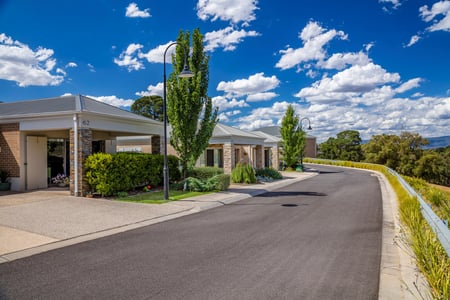




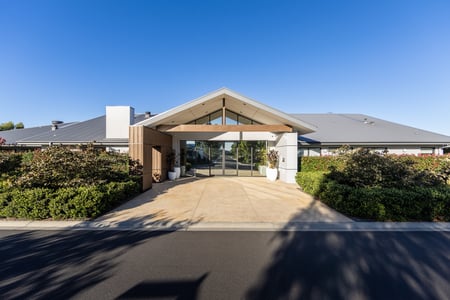
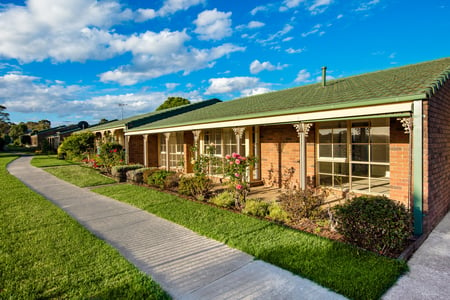


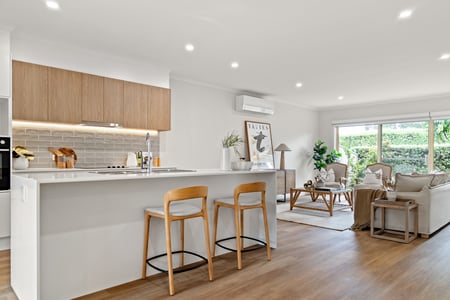





64 Retirement Living and Retirement Villages in SE Victoria, VIC
SE Victoria offers access to 64 retirement villages and over-55 living options, making it one of Victoria's broadest retirement markets for people who want both location choice and practical convenience. For retirees comparing retirement living in Victoria, the region stands out for its mix of metro-fringe access, regional service centres, Gippsland communities and coastal lifestyle options.
From Pakenham and Cranbourne to Lilydale, Warragul, Traralgon, Wonthaggi and Inverloch, SE Victoria gives retirees a wide mix of lifestyle settings, from newer growth-corridor communities to established outer-eastern villages and slower regional or coastal towns. Villages.com.au helps you compare local communities, village types and lifestyle features in one place so you can research with more confidence.
Living in SE Victoria - A Retiree's Guide
Key Areas
SE Victoria includes several distinct local hubs, each with a slightly different retirement appeal:
Pakenham, Officer and Clyde corridor: newer communities with strong amenity, shopping access and transport links
Cranbourne and the wider Casey corridor: practical metro-fringe living with broad suburban services
Lilydale, Kilsyth and the Yarra Ranges fringe: greener outer-east setting with established village communities
Warragul and Traralgon: inland Gippsland service hubs with practical healthcare access
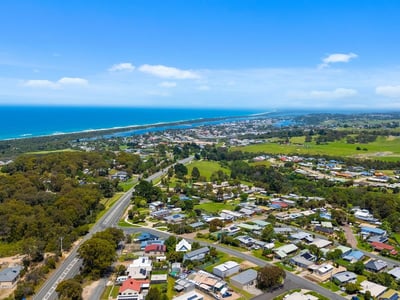
Wonthaggi, Inverloch and Cape Paterson: coastal communities with a slower Bass Coast lifestyle
Compared with SW Victoria, SE Victoria often feels more connected to Melbourne's growth corridors and more varied between outer-suburban and Gippsland living, while SW Victoria feels broader, cooler and more clearly regional. For many retirees, the choice comes down to whether they want metro-fringe convenience or a more fully regional south-west setting.
Climate & Lifestyle
For many retirees, SE Victoria offers flexibility more than one single lifestyle. The region combines greener outer-east suburbs, inland Gippsland towns, Bass Coast communities, walking paths, golf, community clubs and established shopping centres, giving retirees options between suburban convenience and slower regional living.
Lifestyle highlights include:
Established shopping and service centres close to many villages
Parks, walking tracks and community clubs across growth and regional towns
Coastal living options on the Bass Coast and inland community life in Gippsland
A broad range of village sizes, price points and amenity levels
This mix supports active, social retirement living without giving up access to practical services.
Getting Around
Transport and access matter in retirement, and SE Victoria performs well for a broad south-eastern corridor.
Metro and regional rail links support travel from places such as Pakenham, Lilydale and Traralgon toward Melbourne
Major roads connect Casey, Cardinia, Gippsland and Bass Coast communities
V/Line and metropolitan public transport networks make longer trips more manageable for residents who do not want to drive every day, with concession regional daily fares currently capped at around $5.50
For retirees who want independence without feeling isolated, the region offers a useful balance between regional lifestyle and practical accessibility.
Healthcare Access
Healthcare access is one of SE Victoria's practical strengths. Residents benefit from proximity to Monash Health (Casey Hospital), Dandenong Hospital, West Gippsland Hospital, Latrobe Regional Health, Bass Coast Health and a broad network of local GPs, pharmacies and allied health providers across the region.
Key advantages include:
Access to Monash Health (Casey Hospital) and Dandenong Hospital for the outer south-eastern growth corridor
West Gippsland Hospital in Warragul and Latrobe Regional Health as key Gippsland referral anchors
Bass Coast Health and broader local medical support for coastal communities such as Wonthaggi and Inverloch
That combination can make SE Victoria retirement living feel both secure and highly practical over the long term.
Understanding Retirement Living in Victoria
If you are comparing retirement living in SE Victoria, it is important to look beyond the entry price alone. Retirement villages in this state are governed by Victorian retirement village law and the guidance published by Consumer Affairs Victoria, which set out disclosure expectations, contract requirements and resident protections.
Victoria's 2026 reforms strengthen both buyback timing and cooling-off rights. From 1 May 2026, operators are generally required to pay a former resident's exit entitlement within 12 months in standard cases, and the cooling-off period expands from 3 business days to 7 days for new contracts. Together, those changes improve both upfront and exit-stage consumer protection.
Victorian disclosure is also becoming easier to compare. Standardised factsheet-style disclosure helps residents review key village information more consistently before signing, including fees, services and contract structure.
Contract structures can vary between villages. Depending on the arrangement, residents may enter under a lease-for-life, licence-to-occupy, leasehold or other contractual model. Because contract structure affects ownership rights, ongoing costs, exit outcomes and whether stamp duty applies, legal and financial review is important before committing.
Many villages also charge deferred management fees or exit fees when a resident leaves. These costs can materially affect long-term value, so it is important to compare the full fee structure rather than focusing only on the ingoing amount. In many Victorian retirement village arrangements, such as a lease-for-life, stamp duty may not apply in the same way as a standard residential property purchase, but the outcome depends on the legal structure and should be checked carefully.
Some residents may also be eligible for Commonwealth Rent Assistance, depending on how Services Australia classifies their arrangement, whether they are treated as a homeowner or non-homeowner, and what ongoing fees they pay.