








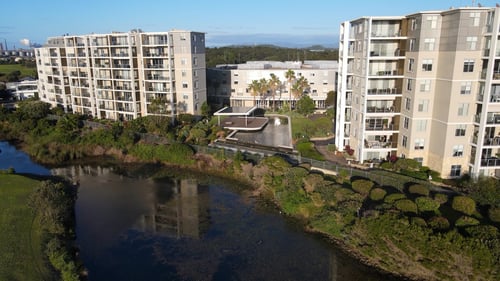
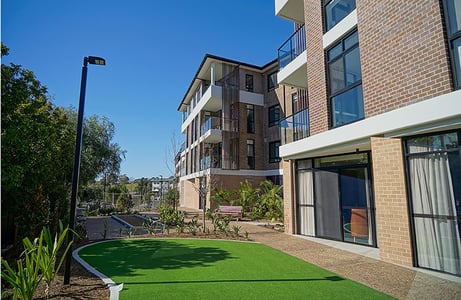

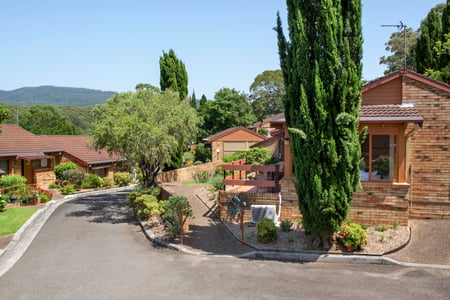
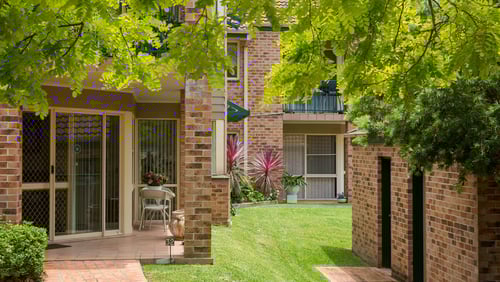


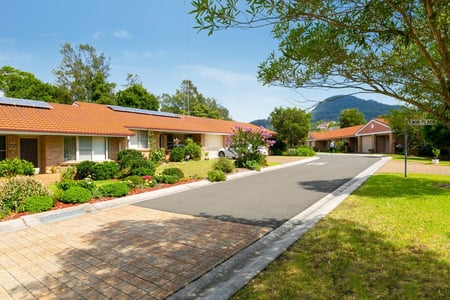
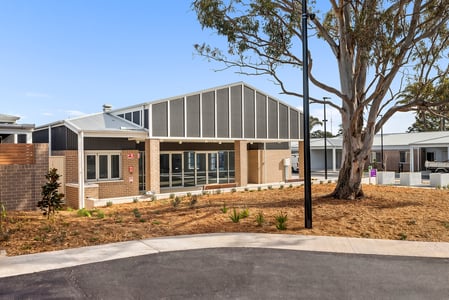
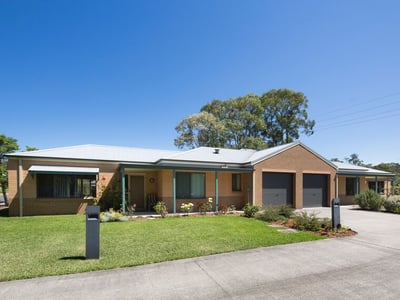




41 Retirement Living and Retirement Villages in Illawarra, NSW
Illawarra offers access to 41 retirement villages and over-55 living options, making it one of coastal NSW's stronger retirement markets for people who want both lifestyle appeal and practical service access. For retirees comparing retirement living in NSW, the region stands out for its major hospital network, rail connectivity, beachside amenity and easy links back toward Sydney.
From Wollongong and Corrimal to Shellharbour, Warilla, Albion Park, Berkeley and Kiama, Illawarra gives retirees a wide mix of lifestyle settings, from stronger urban service hubs to relaxed beachside and lakeside communities. Villages.com.au helps you compare local communities, village types and lifestyle features in one place so you can research with more confidence.
Living in Illawarra - A Retiree's Guide
Key Areas
Illawarra includes several distinct local hubs, each with a slightly different retirement appeal:
Wollongong, Fairy Meadow and Corrimal: strong shopping, transport and hospital access in the main urban centre
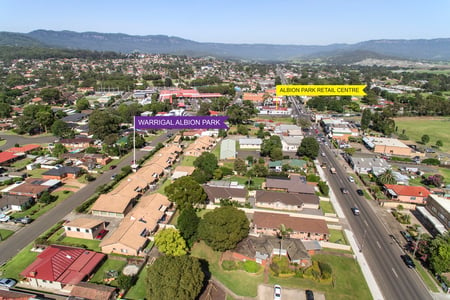
Shellharbour, Warilla and Albion Park Rail: practical south-corridor living with strong local amenity
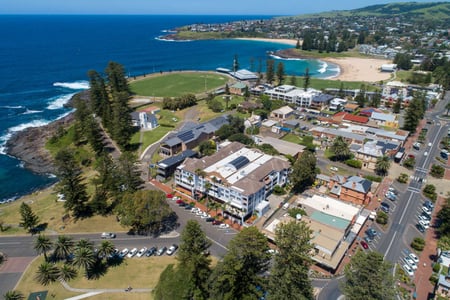
Kiama and nearby coastal towns: premium lifestyle-led retirement appeal with stronger pricing
Berkeley, Kanahooka and Lake Illawarra: established suburbs with practical value and lake-side access
Compared to the Central Coast, Illawarra often feels more compact, more strongly anchored by a major regional city and more connected to a hospital-led service corridor, while the Central Coast spreads more broadly across multiple coastal centres. For many retirees, the choice comes down to whether they prefer Illawarra's tighter urban-coastal mix or a broader north-of-Sydney coastal lifestyle.
Climate & Lifestyle
For many retirees, Illawarra offers a lifestyle built around access as much as scenery. The region combines beaches, escarpment views, walking paths, golf, clubs and established town centres with a more practical day-to-day service base than many coastal retirement markets.
Lifestyle highlights include:
Beaches, headlands and foreshore walks
Clubs, cafes and shopping centres close to major suburbs
Walking paths and green corridors between the coast and escarpment
A balance of coastal living and everyday convenience
This mix supports active, social retirement living without giving up practical access to services.
Getting Around
Transport and access matter in retirement, and Illawarra performs well for a coastal urban corridor.
South Coast Line rail services connect the region back to Sydney
Major roads support travel between Wollongong, Shellharbour, Kiama and surrounding suburbs
Local bus networks make it easier to reach shopping centres, medical appointments and town hubs
For retirees who want independence without feeling isolated, Illawarra offers a useful balance between coastal lifestyle and practical accessibility.
Healthcare Access
Healthcare access is one of Illawarra's practical strengths. Residents benefit from proximity to Wollongong Hospital, Shellharbour Hospital and a broad network of local GPs, pharmacies and allied health providers across the Illawarra corridor.
Key advantages include:
Wollongong Hospital as the main tertiary referral and specialist-care anchor
Shellharbour Hospital for practical southern-corridor access
Broader Illawarra Shoalhaven Local Health District support and community-based medical services
That combination can make Illawarra retirement living feel both secure and highly practical over the long term.
Understanding Retirement Living in NSW
If you are comparing retirement living in Illawarra, it is important to look beyond the entry price alone. Retirement villages in this state are governed by the Retirement Villages Act 1999 and the Retirement Villages Regulation 2025, which commenced on 1 September 2025 and sets out disclosure rules, contract requirements and resident protections.
NSW prospective residents should pay close attention to the general inquiry document and disclosure statement before committing. Those documents now include the average resident comparison figure, or ARCF, which uses a standardised method to help compare the likely ongoing and exit costs of one village against another.
Operators must also maintain a 10-year asset management plan and make it available for inspection. For larger and more established villages in centres such as Wollongong, Warilla and Berkeley, that can give residents better visibility over long-term maintenance, capital replacement and how future works may affect village costs.
Contract structures can vary between villages. Depending on the arrangement, residents may enter under a licence-to-occupy, leasehold or other contractual model. Because contract structure affects ownership rights, ongoing costs, exit outcomes and whether stamp duty applies, legal and financial review is important before committing.
Many villages also charge deferred management fees or exit fees when a resident leaves. These costs can materially affect long-term value, so it is important to compare the full fee structure rather than focusing only on the ingoing amount. NSW residents generally have cooling-off rights after signing a retirement village contract, and as of April 2026 that period is typically 7 business days.