IRT Retirement Communities: Locations, Lifestyle, Homes & Costs Explained
Last updated: June 2026
Reviewed by Villages.com.au team
IRT Retirement Communities and Lifestyle Resorts
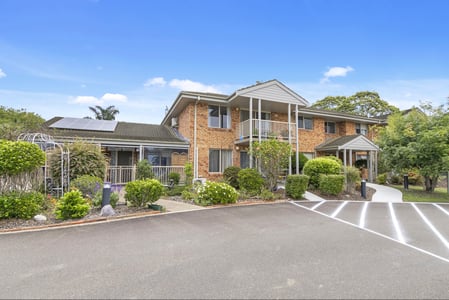
IRT is one of Australia's largest and most established retirement living providers, offering retirement villages and seniors living communities across New South Wales, Queensland and the Australian Capital Territory. With a history spanning more than 50 years, IRT focuses on helping older Australians enjoy an active, independent lifestyle with access to community facilities, social connections and support services when needed.
This guide explains who IRT is, where its communities are located, what residents can expect from daily life, ownership options, costs and key considerations when comparing IRT with other retirement living operators.
About IRT
IRT (Illawarra Retirement Trust) is a not-for-profit organisation that has been supporting older Australians since 1969.
Originally established in the Illawarra region of New South Wales, IRT has grown into one of Australia's largest providers of retirement living, home care and aged care services.
Today, IRT operates retirement villages and seniors living communities across:
New South Wales
Queensland
Australian Capital Territory (ACT)
Its retirement living communities are designed for people seeking greater convenience, reduced home maintenance and opportunities to remain socially connected throughout retirement.
What Makes IRT Different?
At a Glance
Not-for-profit provider with more than 50 years of experience
Retirement villages across multiple Australian states and territories
Strong focus on community and social connection
Access to support services through the broader IRT network
Variety of home styles and village sizes
Maintenance and gardening support available in many communities
Pet-friendly options may be available at selected locations
Established reputation within the retirement living sector
Where Does IRT Operate?
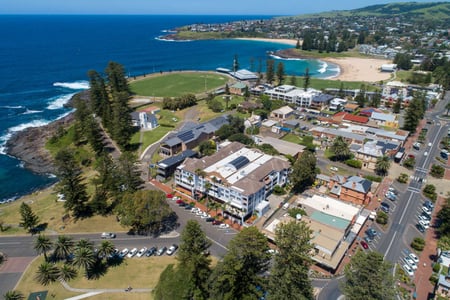
IRT communities are primarily located throughout New South Wales, with additional retirement living options in Queensland and the ACT.
IRT Communities by State
State/Territory | Community Locations |
New South Wales | Sydney, Illawarra, South Coast, Shoalhaven, Eurobodalla, Mid North Coast and regional NSW |
Queensland | Brisbane and South East Queensland locations |
ACT | Canberra region communities |
Because new homes, village expansions and availability can change regularly, it is worth checking current listings on villages.com.au for the latest opportunities.
Community Directory Snapshot
Community | Location |
Kanahooka NSW | |
Tarrawanna NSW | |
South Coast NSW | |
Canberra ACT | |
Various Queensland Communities | South East Queensland |
Community sizes and available homes vary between locations.
What Is Living at an IRT Community Like?
Lifestyle and Social Activities
Many people choose retirement living because they want less time spent maintaining a home and more time enjoying life.
IRT communities often provide opportunities for residents to participate in:
Social clubs
Community events
Exercise groups
Arts and crafts
Card games and hobby groups
Volunteer activities
Resident committees
Local excursions
Participation is always optional, allowing residents to enjoy privacy while remaining connected to the wider community.
Wellness and Recreation Facilities
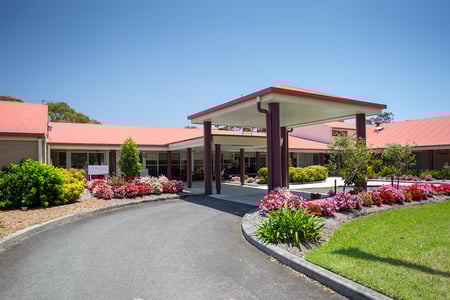
Facilities vary between communities, but many IRT villages include shared spaces and amenities designed to support active living.
Facility Type | Available at Many Communities |
Community Centre | ✓ |
Clubhouse | ✓ |
Resident Lounge | ✓ |
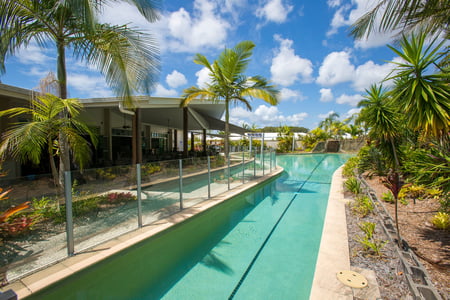
Swimming Pool | Community dependent |
Gym or Fitness Area | Community dependent |
Bowling Green | Community dependent |
Library | ✓ |
Arts & Crafts Spaces | ✓ |
BBQ Areas | ✓ |
Gardens and Outdoor Spaces | ✓ |
Tennis or Pickleball Courts | Selected communities |
Always review the facilities available at the specific village you are considering.
Home Ownership at IRT
Do Residents Own Their Homes?
Ownership arrangements vary between communities and states.
Many IRT retirement villages operate under retirement village legislation, where residents generally purchase a right to occupy a home within the community.
Depending on the village, arrangements may include:
Leasehold agreements
Licence agreements
Loan-lease models
Retirement village contracts
Residents receive security of tenure and legal protections under relevant state legislation.
Because ownership structures differ between villages, prospective buyers should carefully review disclosure documents and seek independent legal and financial advice before proceeding.
Buying a Home in an IRT Community
The purchasing process typically involves:
Researching suitable communities
Touring villages and display homes
Reviewing pricing and availability
Receiving disclosure documents
Obtaining legal advice
Signing contracts
Completing settlement and moving in
Village sales teams can guide prospective residents through the process.
What Types of Homes Are Available?
Home styles vary by location but commonly include:
One-bedroom homes
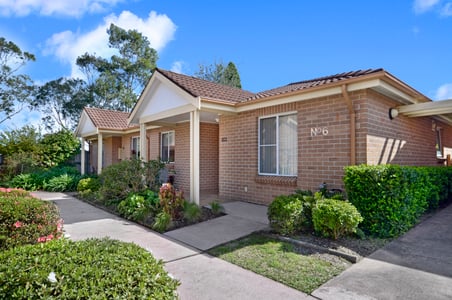
Two-bedroom villas
Three-bedroom villas
Apartments
Units
Homes with garages or carports
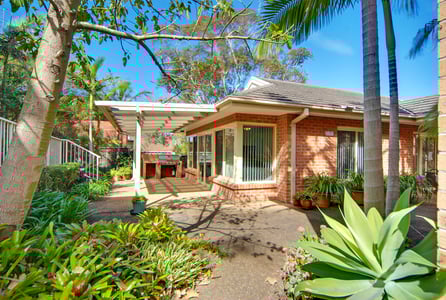
Many homes feature:
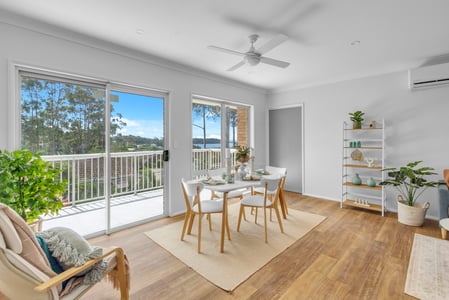
Open-plan layouts
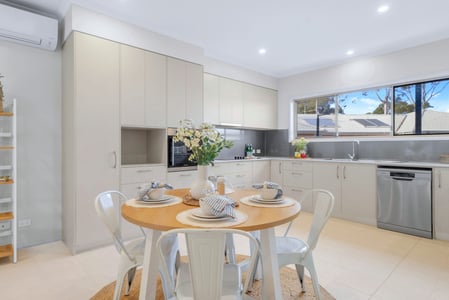
Modern kitchens
Outdoor entertaining areas
Low-maintenance gardens
Accessible design features
Single-level living
What Does It Cost to Live at IRT?
Home Purchase Costs
Entry prices vary significantly depending on:
Location
Property size
Home age and condition
Community facilities
Demand within the local market
Premium coastal and metropolitan locations generally attract higher purchase prices than regional communities.
Ongoing Fees and Charges
Cost Type | Description |
Entry Price | Initial home purchase or occupancy cost |
Recurrent Fees | Contribution towards village operations and shared facilities |
Utilities | Electricity, water, internet and other services |
Maintenance Fees | May contribute to common area maintenance |
Optional Services | Community-specific services and activities |
Fees differ between communities and should be reviewed carefully before purchasing.
Are There Exit Fees?
Many retirement villages include deferred management fees (DMFs) or exit fees that may apply when a resident leaves the community.
The exact arrangements vary significantly between villages and contracts.
Prospective residents should:
Review disclosure statements
Understand resale arrangements
Ask how exit fees are calculated
Obtain independent financial advice
Australian retirement village legislation requires operators to provide detailed disclosure documents outlining these arrangements.
Who Is IRT Best Suited For?
Ideal Resident Profiles
IRT communities may appeal to:
Active retirees seeking a community lifestyle
Downsizers wanting less home maintenance
Couples looking for security and convenience
Singles seeking social connection
Residents wanting access to future support services
People planning ahead for later-life needs
Travellers seeking a lock-up-and-leave lifestyle
Potential Considerations
Before choosing any retirement community, consider:
Preferred location and proximity to family
Ongoing fees and affordability
Village culture and community fit
Contract structure and ownership model
Future health and care needs
Available facilities and services
Pet policies
Visiting multiple communities can help determine the best fit.