You’re never too old to start strength training – and midlife might be the perfect time. Resistance training is now considered one of the most important things people can do to maintain strength, improve body composition, and protect against the natural muscle loss that comes with ageing. It also supports heart health, reduces the risk of type 2 diabetes, and boosts mental wellbeing.
“Strength training can feel overwhelming with all the opinions out there,” says George Morris, exercise physiologist and strength and conditioning coach at St Mary’s University in Twickenham, England. “But it doesn’t need to be complicated.”
What weights should beginners use?
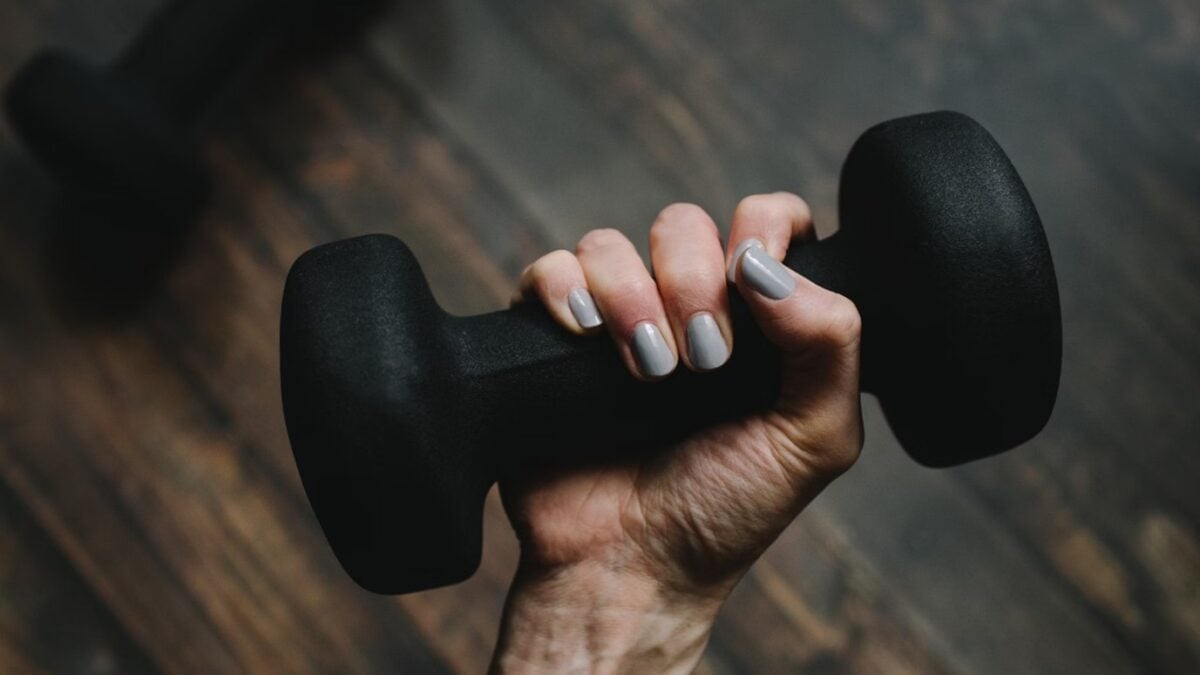
You don’t need a gym membership to get started. A few basic dumbbells – or even just your body weight – is enough. Exercises like squats, lunges, push-ups, and pull-ups can be just as effective.
As a general guide:
- Women starting out may begin with 3-5kg dumbbells
- Men might opt for 4-6kg dumbbells
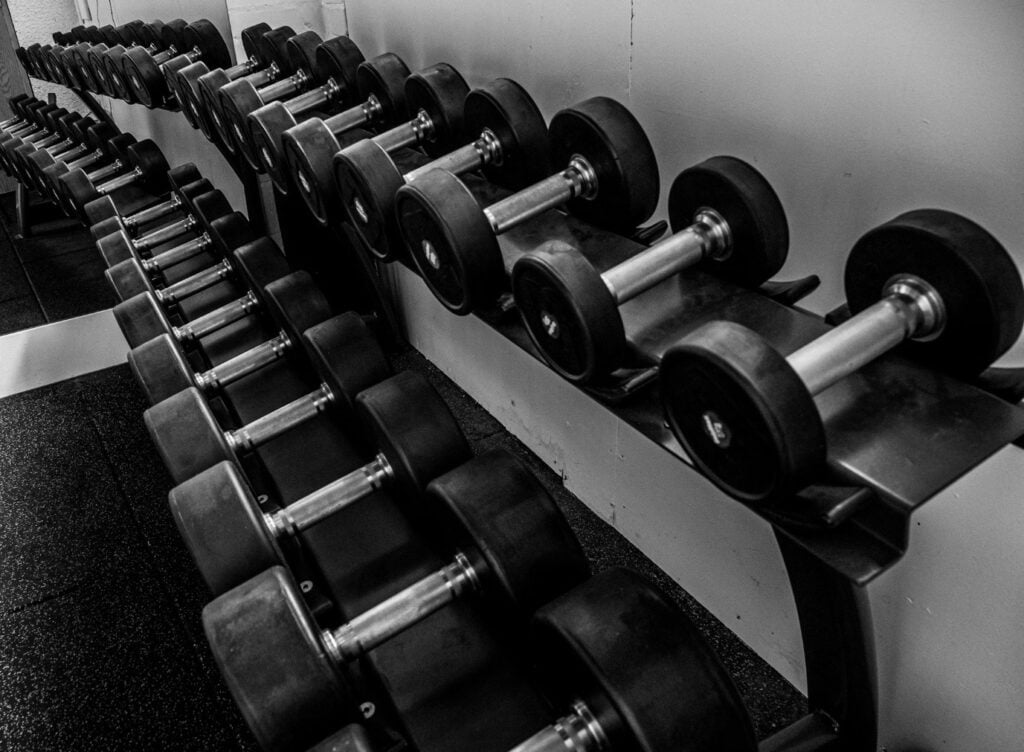
That said, everyone is different. A set of various weights is a good long-term investment.
“Instead of focusing on the number on the weight, go by feel,” George advises. “If you’re doing 12 reps, you should feel like you could only manage two more. If you think you could do 14 or more, it’s time to go heavier.”
Avoiding injury: Start smart
Progressing too quickly or using incorrect technique can lead to injury or excessive soreness.
“If your body isn’t conditioned for weight training, overdoing it can put your muscles, joints, and bones at risk,” George warns. “You’re also more likely to get hit with delayed onset muscle soreness – the kind that leaves you hobbling for days.”
Start slow, use good form, and listen to your body.